
“A perfectionist? That’s apart of my job”- Pep Guardiola
Welcome back to the second installment of the tactics series. Today we will be diving into team instructions providing as much attention to detail we can possiby get. As I mentioned in the previous episode, team instructions is where you identify the type of football you are looking to play. It is broken down into 6 key components. Those components are Tackling, Passing Style, Tempo, Mentality, Attacking style, and Pressing. Each component is similar to a formation as they need to work in tandem with one another to be at their most effective.
TACKLING
Some say that tackling is a dying art.The technical and tactical aspects of the modern game meant it has lost it’s physical nature. Well, tell a team like Atletico Madrid or Burnley that and it’s highly likely that they’ll disagree with that point of view. But tackling isn’t just about flinging youself to the floor or looking to “kill” your opponent. It in itself is a tactic and if used correctly can have huge implications on the success of your team.
There are 5 different styles of tackling to choose from ranging from Timid to Aggressive:
Timid: Rarely, if ever used within soccermanager, timid tackling simply implies that your players make an effort to stay on their feet as much as they can. It’s a tackling style best used for the last few minutes of a match when you are looking to defend a lead or seek a point. Think of any live match you’ve watched where, during the last 5 minutes, the defending team has packed they’re entire 11 infront of their 18 yard box in attempt to close all gaps that may appear ‘between the lines’. It is crucial that every player stays on his feet as lunging into a tackle could lead to that player allowing the attacking team to find a space in order to penetrate.
Soft: This tackling style is a slightly more aggressive approach than timid. The principles are the same but your players are granted a bit more access to lunge in and attempt to win the ball back. Now both of these should only be last resort styles of tackling. They should never be implemented at the start of a match unless you want your opposition to have an easy afternoon.
Normal: Everyone’s go to style of tackling. The normal tackling style is, arguably, the best of the lot simply because it implements both a tough and reluctant style of tackling depending on the contex of the match.
Hard: Arguably the second most favourite style of tackling for players if my 13 years playing this game has anything to say about that. The hard tackling style indicates that your team is set up to make things difficult for the opposition when they’re in possession. Your players are lunging in to tackles, sliding whenever the chance allows it, leaving a little in after a coming together, shoving, pushing, nudges. The whole lot happens here. This type of tackling is considered a staple for the ‘dark arts’ of football but it comes at a cost however. This style of tackling means that your players are more prone to pick up suspensions and injuries more frequently so proceed with caution while implementing it.
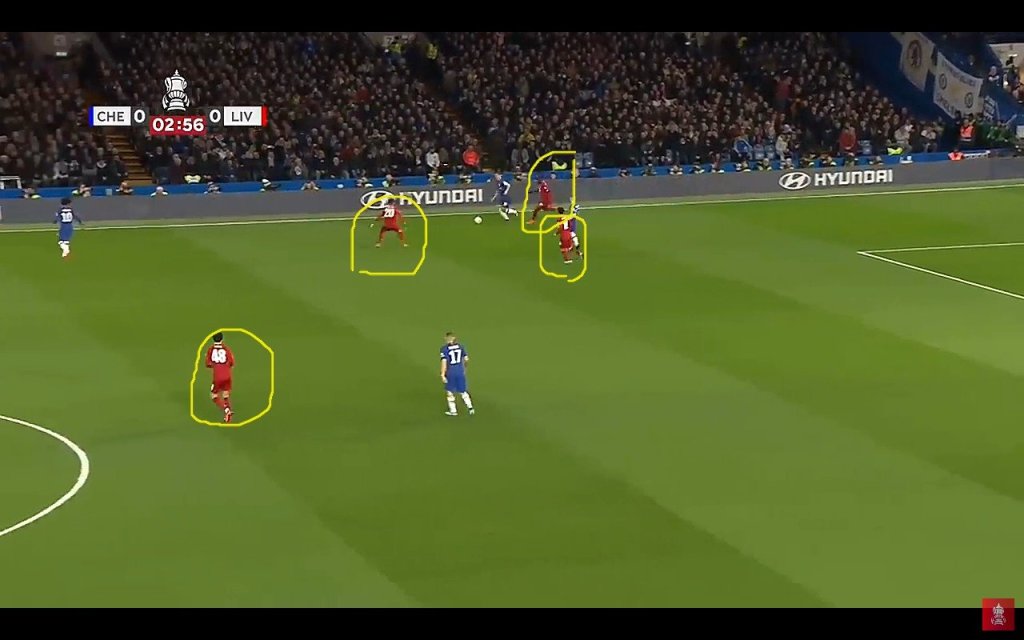
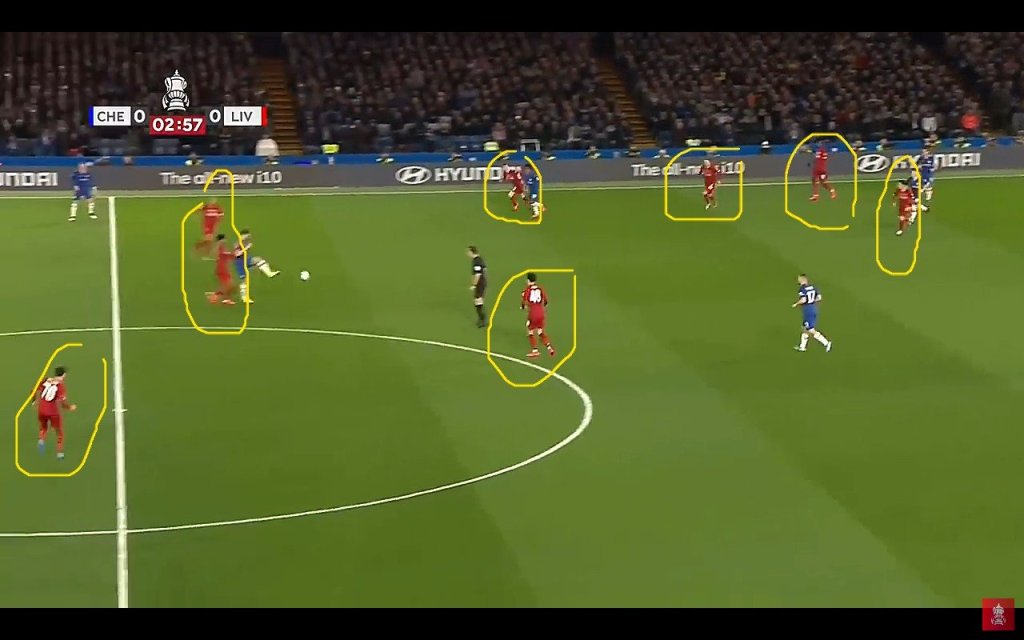
Aggressive: This type of tackling has taken over the modern game. If you’ve ever watched a Kloop or Guardiola team press from the front then this is the style of tackling they implement. Aggressive tackling is less about leaving one on an opponent and more about hassling the opponent to force a turnover in posession. Unlike hard tackling, being aggressive means pressing in packs of 3,4 or 5 as well as using the touch lines as an extra defender. When using this type of tackling it is critical that you do it in a high pressing system. Your team has to be on the front foot in order for this to work and this principle is what diffrentiates it from a hard tackling style. While using a hard tackling style you could be more defensive minded and press in a mid to low block but those tactics will not work for an aggressive tackling to be at its most effective.
MENTALITY
Normally, the mentality of elite sports is what seperates the good from the great and while that may not be the same within soccermanager it’s still vitally important to identify how you will approach each match as it will have a lasting effect on the performance of your players.
Very Defensive: If I were to sum up this mentality in three words do you think you’d be able to tell me what those words are? You probably will, maybe your just not thinking hard enough. Those three words are, indeed (nooo indeed is not one of them), Park. The.Bus. Ah yes! The approach that attack minded players loath but defensive warriors have wet dreams about. This is the ultimate ‘Thou shalt not pass’ aproach. It basically indicates that your entire team is packed within your 18 yard box, asking the opposition to “try and break through us.” I’m a defender so I absoulutely love seeing teams like Mourinho’s Chelsea, Simeone’s Atletico Madrid and even Bruno Large’s Wolves play in this manner. Unfortunately not everyone shares this mindset and I’ve actually never seen a single player implment this mentality within a match. Similarly to timid or soft tackling, this is something that should be done during the latter stages of a match when you are attempting to hold onto a lead or secure a point. Many people say its negative, I say it’s pragmatic.
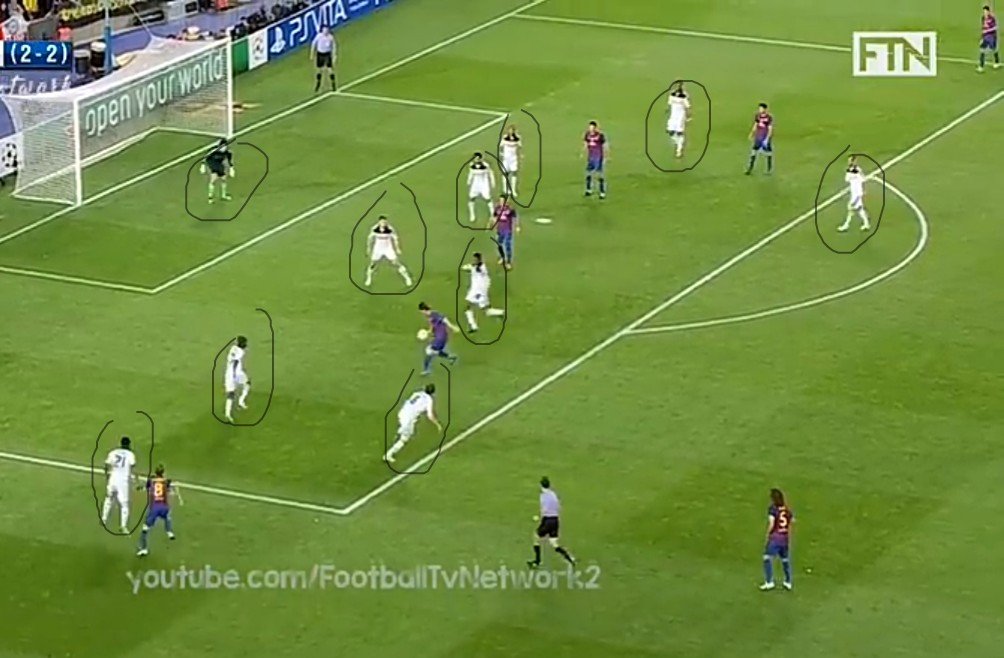
Defensive: A more offensive version of the above mentality (if you can even call it that). To me, this basically indicates that your team is now looking to defend in front of the 18 yard box rather than actually being inside of it. Now, I have seen managers use this type of mentality, which is great but I’ve also seen this mentality implemented in bizzare ways. For example, having a defensive mentality while also playing a high press defeats the purpose of playing defensively. The word ‘defend’ means to protect and if you press high, although impactful, you leave yourself vunerable due to the space that is being vacated. Managers should be condemned by using this kind of tactics but they get away with it. It’s another one of soccermanager’s lack of attention to detail that grinds my gears.
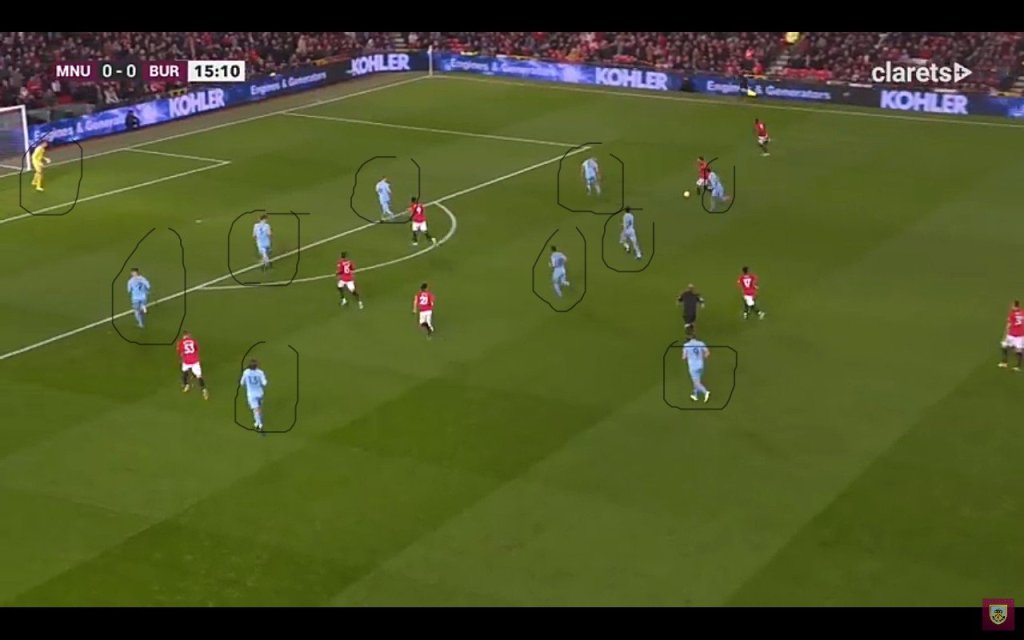
Normal: Unlike a normal tackling style, normal mentality isn’t a mixture of all. This mentality comes from a need to control a match. Your team will not be too deffensive or offensive but they will look to ensure that they are always on top whether that be via keeping posession of the ball for long periods or by not allowing the opposition any type of opportunities on your goal.
Attacking: The holy grail of mentality? This mentality is most definitely the favourite for majority of players in this game. To play with this mentality means that you are looking to play on the front foot and create goal scoring opportunities. Attack is definitely the best form of defence so therefore it is a key component in ensuring your ability to win as many matches as you can.
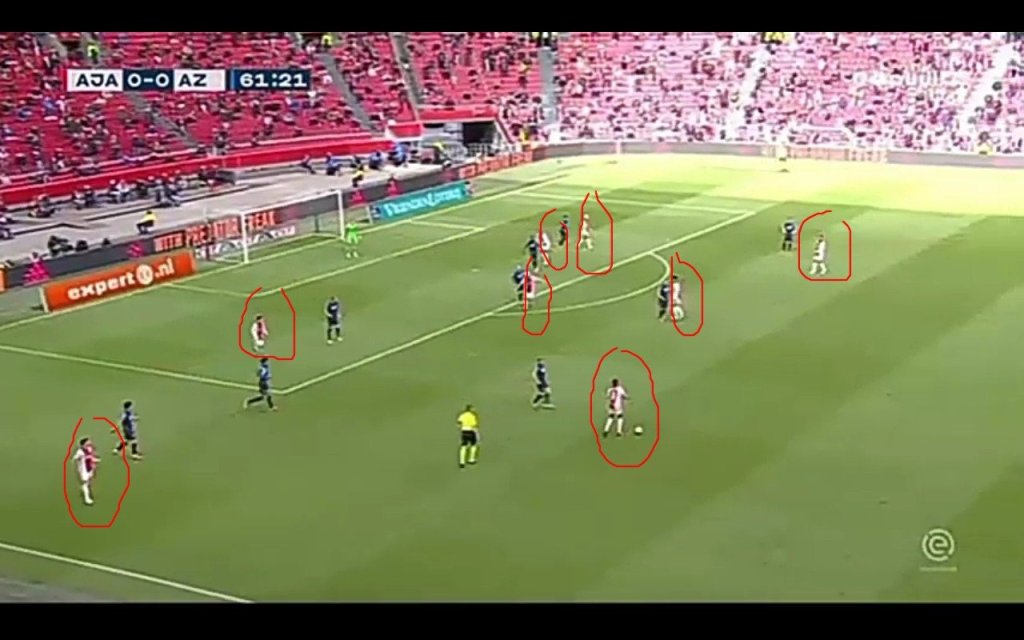
Very Attacking: An upgraded version of an attacking mentality, this is the ‘all or nothing’ approach to a match whenever it is being used. Defending has been forgotten at this point and nothing else matters but to flood the oppositions box with as many players as possible. This mentality obviously comes with the downside of leaving your team completely open for the opposition to counter. Now, I personally believe that the only time you should switch to this mentality is during a match you are losing and never at the beginning of a match but unfortunately not a lot of managers have this same point of view as I’ve seen countless teams playing with this mentality from the start and benefitting from it. If a team in real life were to approach a match like this they’d probably be 3-0 down within the first 30 minutes. Not only is it reckless to be extremeley offensive from minute one it’s also particularly tiring for players to be attacking in numbers then transition to defence when posession is eventually lost. Now I did mention that attack is the best form of defence but not when you over commit.
PASSING STYLE
Things are now starting to get really interesting. In the next two sections we separate the tacticans from the wannabe’s. I say that because I’m certain that you’ve come across some very bizzare looking tactics that make you wonder what goes on in the mind of that manager. Rest assured as you’re not alone when it comes to that. Your passing style indicates how your team will use the ball whenever you’re in posession. Each one has it’s own unique attributes, advantages and disadvantages. After this section you will have either learnt something new or reinforced the knowledge you already had.
Short: Tiki-taka anyone? The main emphasis of a short passing style, in the words of Pep Guardiola, is to “keep the ball, pass the ball”. Your primary source of possesion will be to the feet of each player with the ball rarely going airbourne. This style demands that the players at your disposal are highly techincal and comfortable receiving the ball in tight situations. The downside to this is that every player has to be comfortable with the ball at his feet and if there is even a single player not capable then this could lead to the entire posession being squandered. A short passing style also requires a more patient build up play which, if other apects of your tactics aren’t helping this passing style, can leave your team passing from side to side while allowing your opposition to sit in a mid block and become difficult to break down or perform a press which could lead to loss of possession in dangerous parts on the field.
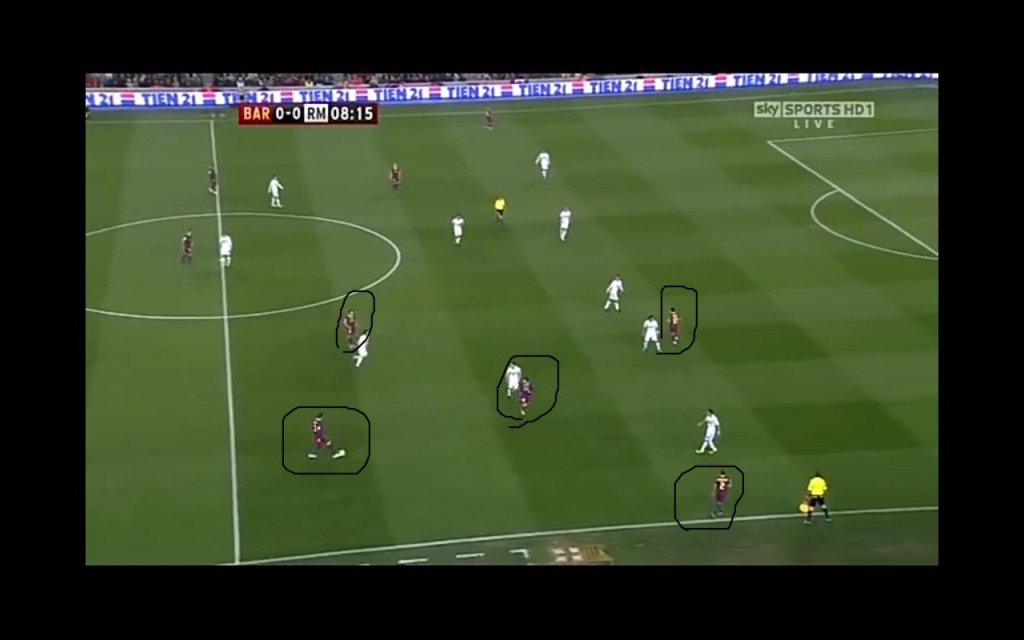
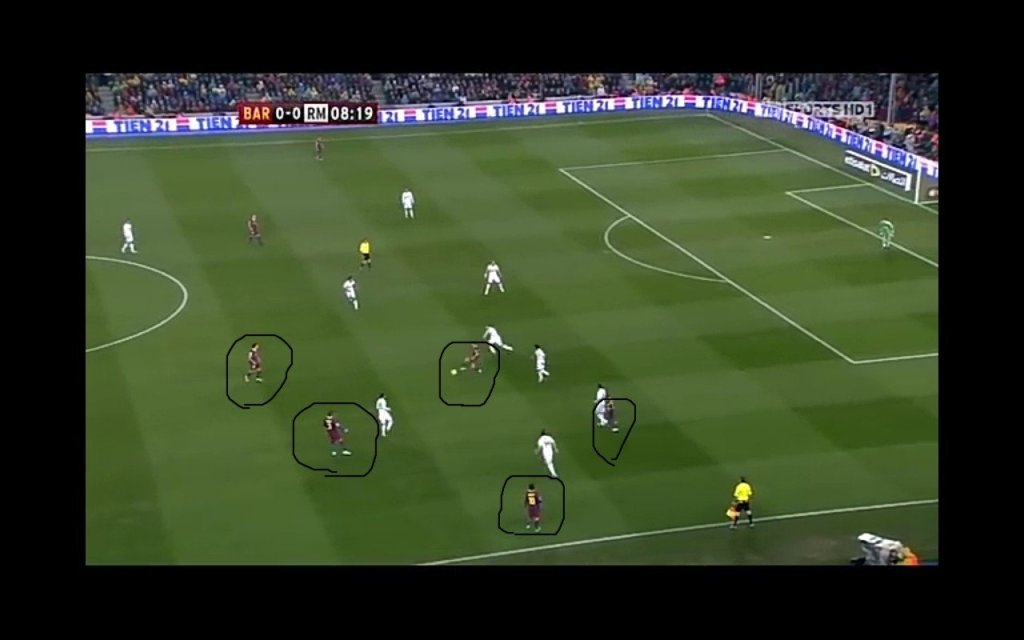
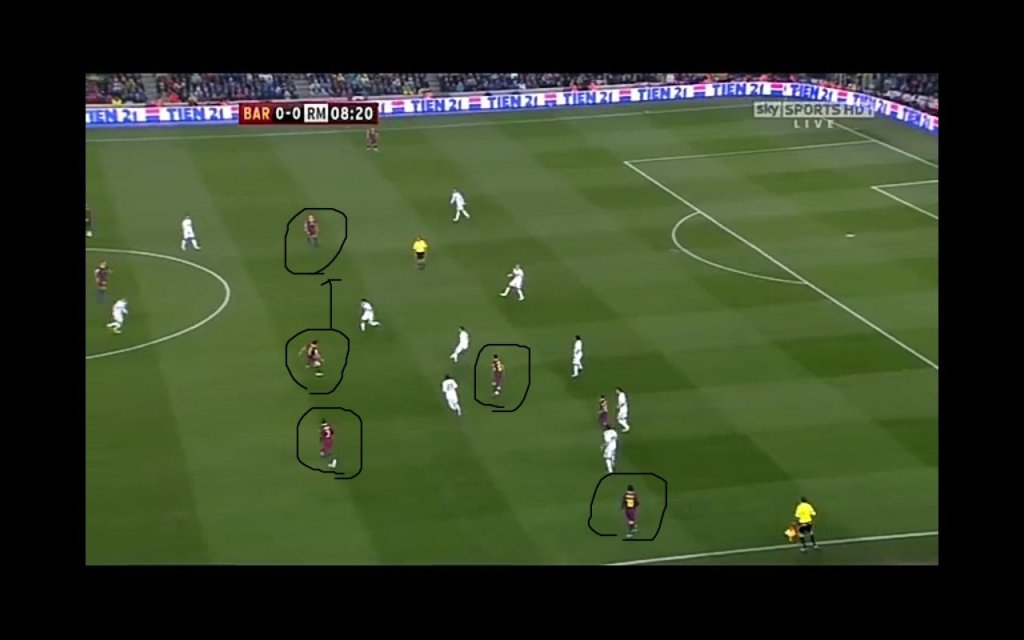
Direct: My personal favourite style of passing. A direct passing style is an implementation of a quick transition from defence to attack. When in posession, your players will look to create situations that gets attacking players 1V1, dribbling through tight midfields and making runs in behind the opposition’s defence. The beauty about this style of passing is that it does not require your players to be the most technically gifted as it is solely focused on players who are physically gifted whether via speed, power or strength. The kryptonite of this passing style, however, is a team that plays in a mid to low block. Direct passing requires space for attackers to manipulate and that space often is not available when a team is defending deep. It isn’t a huge problem but a problem nonetheless.
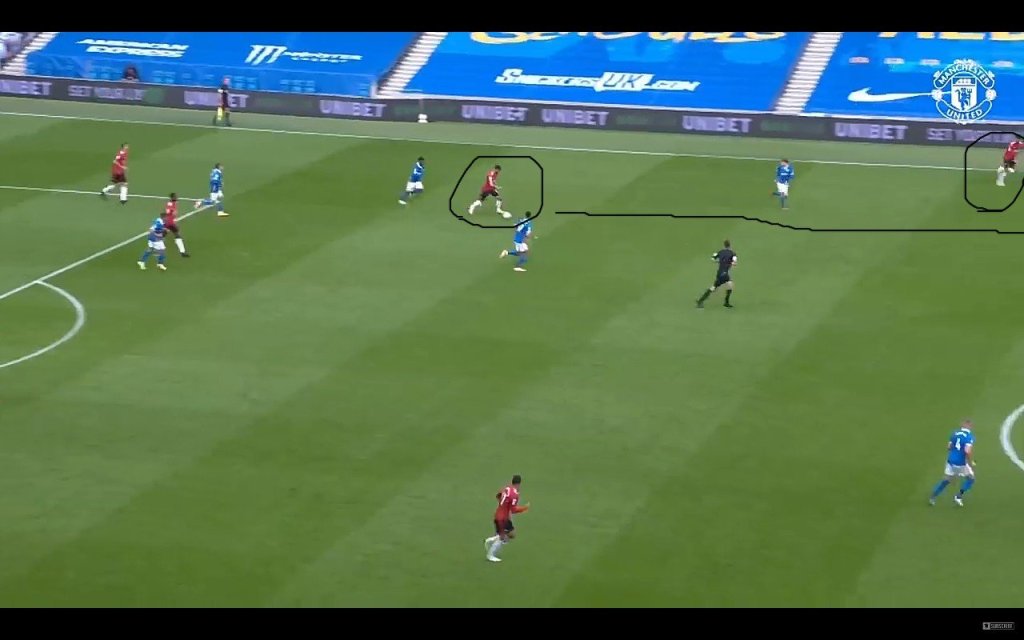
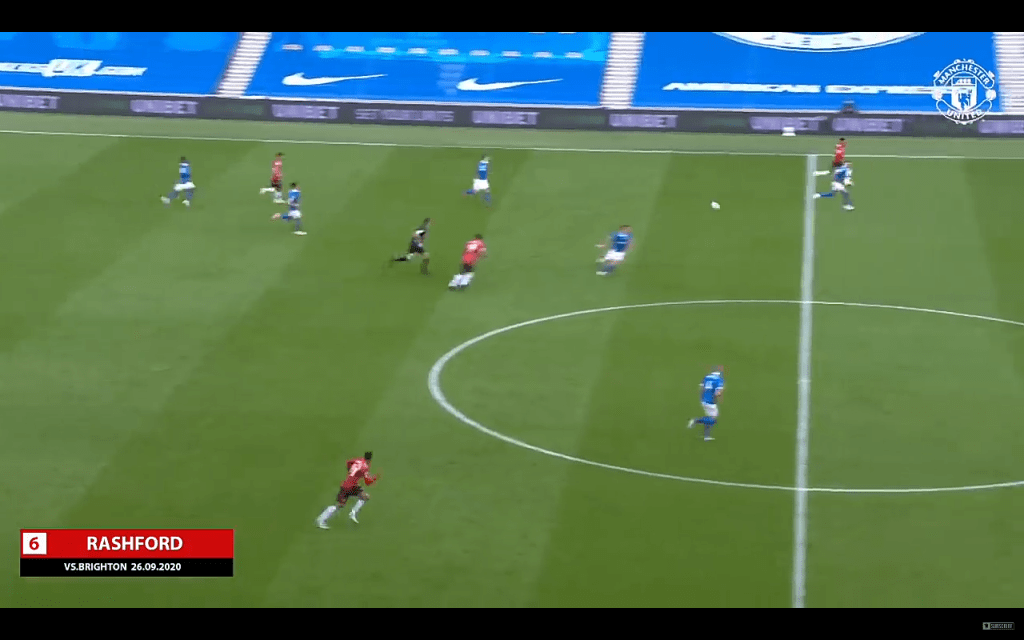
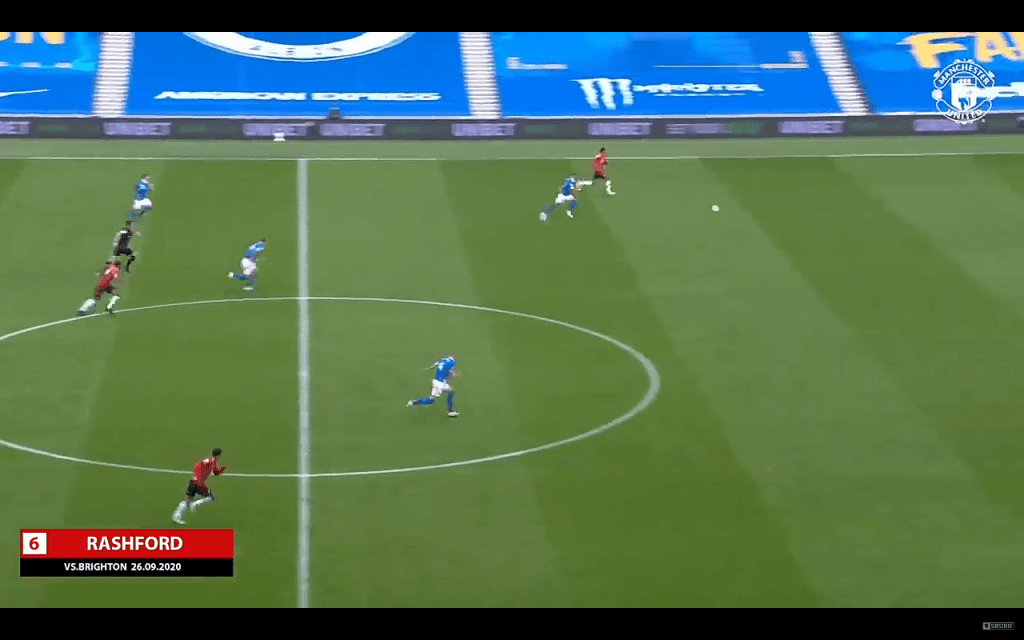
Long ball: Also known as ‘route 1’ or ‘hoof it and hope’ football. Every area of soccer manager has one aspect of it that is not popular with managers and Long ball passing takes that trophy for this area. A long ball passing style simply indicates that when in posession your players by pass different positions on the field in order to get the ball to the attacking third as quickly as possible. Now, I often here “pundits”and “commentators” call this style of passing direct and while a key aspect of direct passing is to get the ball from defence to attack in a quick manner, that is done via manipulating posession of the ball in order to get attacking players isolated against defenders. Long ball’s sole objective is to get the ball from defence to attack even if it means by-passing the entire midfield! Teams playing this style of passing tend to be very ineffective on the ball so therefore it normally takes anywhere from 1-5 passes to get into attack mode. The type of players needed for this style of passing are tall, aerially dominant players with a few playmakers who specialize in long diagnonal passing as well as tradintional wingers who play on their stonger side( left footed left wingers and right footed right wingers) who are very good crossers. As previouly stated, this type of passing style is very unpopular within the soccermanager community and majority of that has to do with how football media views it as being ‘negative football’. I completely disagree with that terminology. It is a tactic that, if implemented properly can lead to positive results on the field. Now, I won’t sit here and tell you that it’s possible to win the league with a long ball passing style but if you’ve been at the top of the table for all your soccermanager career maybe you can consider this as a challenge. Like, for example, you could search for a new top tier club, start managing them, check the league table and then go and manage one of the teams fighting relagation just to implement this passing style. The options are unlimited and we shouldn’t just balk at it because of its negative connotation.
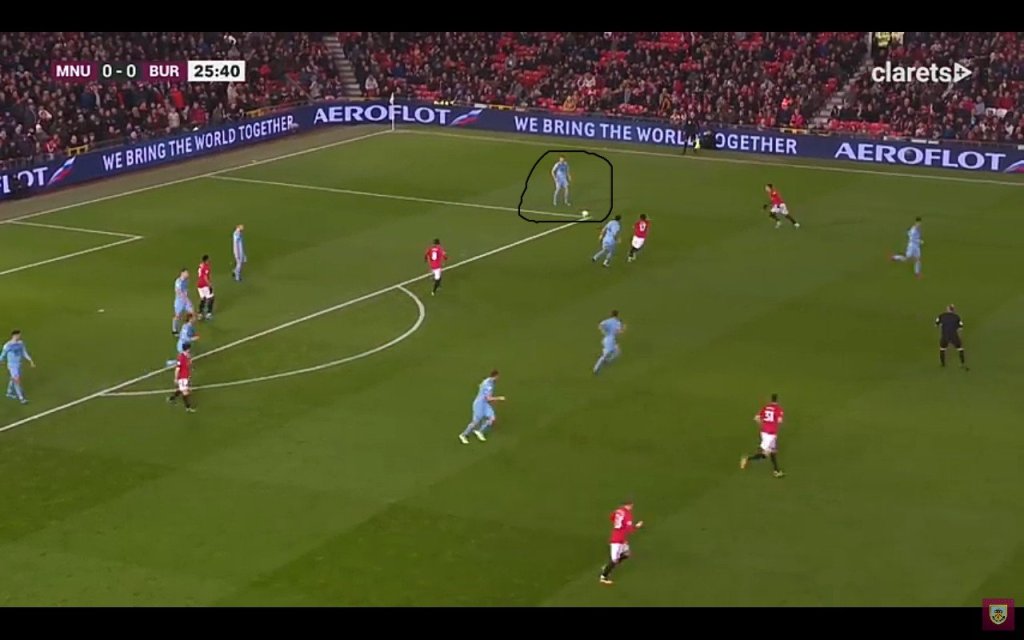
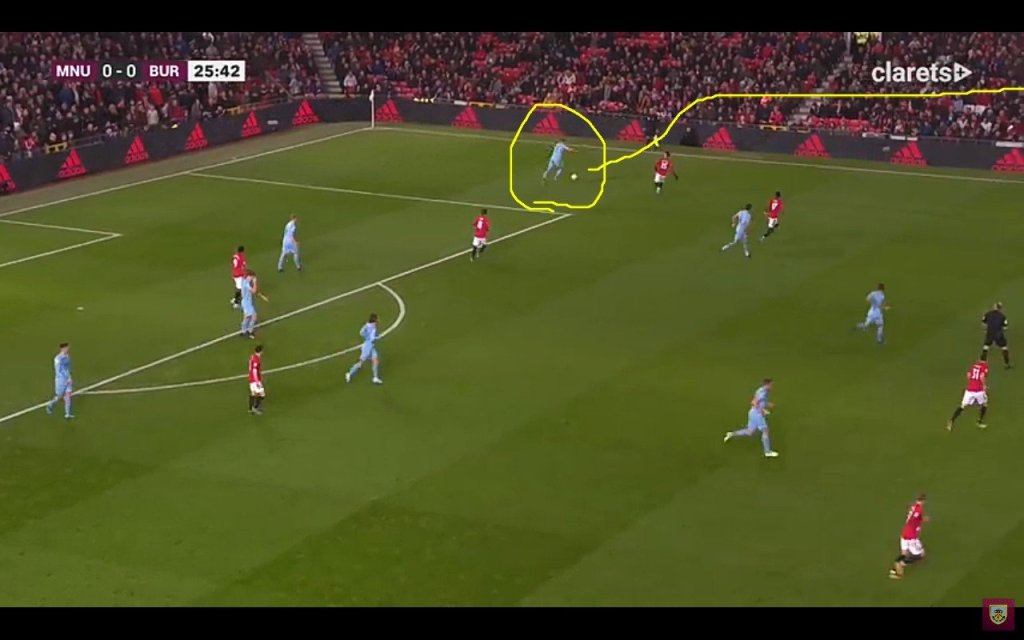
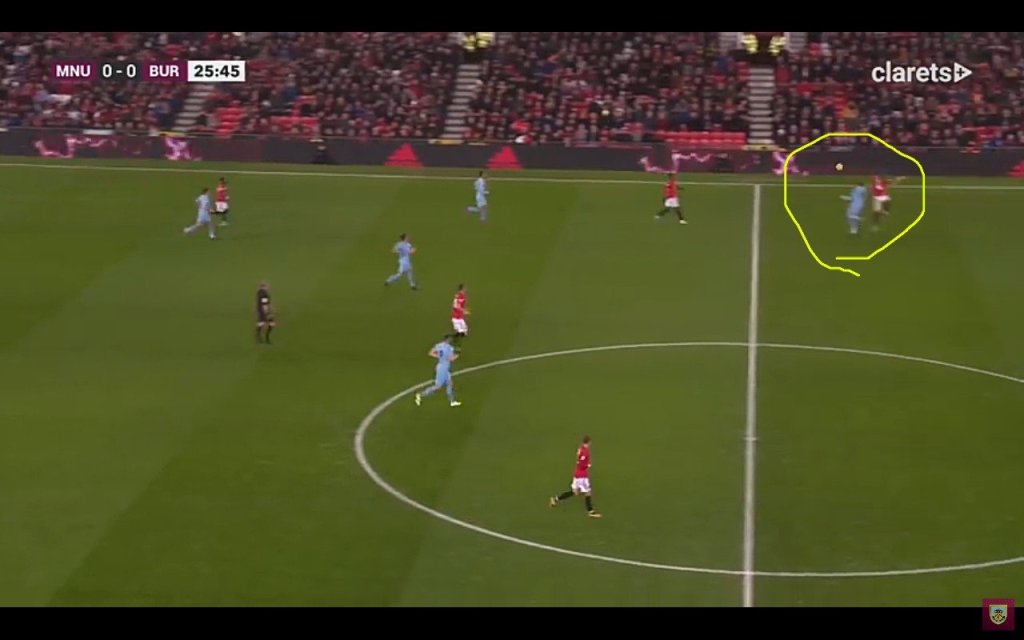
Mixed: Quite possibly the easiest one on this list to understand and implement. What this passing style entails is that when your team is in posession there will be a mixture of all 3 types of passing styles being implememented. This passing style is a creative number 10’s dream. It allows for complete freedom of play as there is so real set pattern pertaining how the ball is progressed from defence to attack so these players have the freedom to go wherever they want and create how ever they want. Two teams that use this type of passing within the modern game are Real Madrid and Leeds Utd. A major benefit of this style of play is that it does not require any specific type of players in order to work best. You can call it a benefit but for a guy like me I detest everything that’s not based on structure so it’s a style of passing that, although I use from time to time, is not one of my favourites.
ATTACKING AREAS
We’ve discussed the different methods of passing the ball when in posession, now we dive into passing’s brother: Attacking area. This is simply where on the field you are considering having most of your posession. As straight forward as that may sound, it ofcourse has some nuances about it which I intend to breakdown for a much better understanding of how to best implement it.
Down Left Flank: The first time I saw this I started laughing because the fact that a team would literally narrow their attacking play to just one side of the field seemed hilarious. It was only until I watched Manchester United during the 2020-21 season that I started to realize that this actually holds some potency. Throughout most of their build up play, the United players will avoid Wan Bissaka at all cost and flood the ball over towards the left hand side where they’d have Shaw, Rashford, Bruno, Pogba and Cavani all playing small triangles around that side of the field. Now, that isn’t to say that they didn’t try to create on the opposite flank but it seemed like a habit rather than a tactical approach. Nevertheless, this is primarily what you can expect if you choose to implemet this style of attacking. Regardless of your formation, majoriy of the team will look to set up shop on that left flank side. The major benefit of this comes in that it is easier to overload one side of the pitch and that also has the potential of leaving the opposite flank wide open for a switch but in my opinion this will become very predictable thus making it easier for the opposition to navigate through these waters.
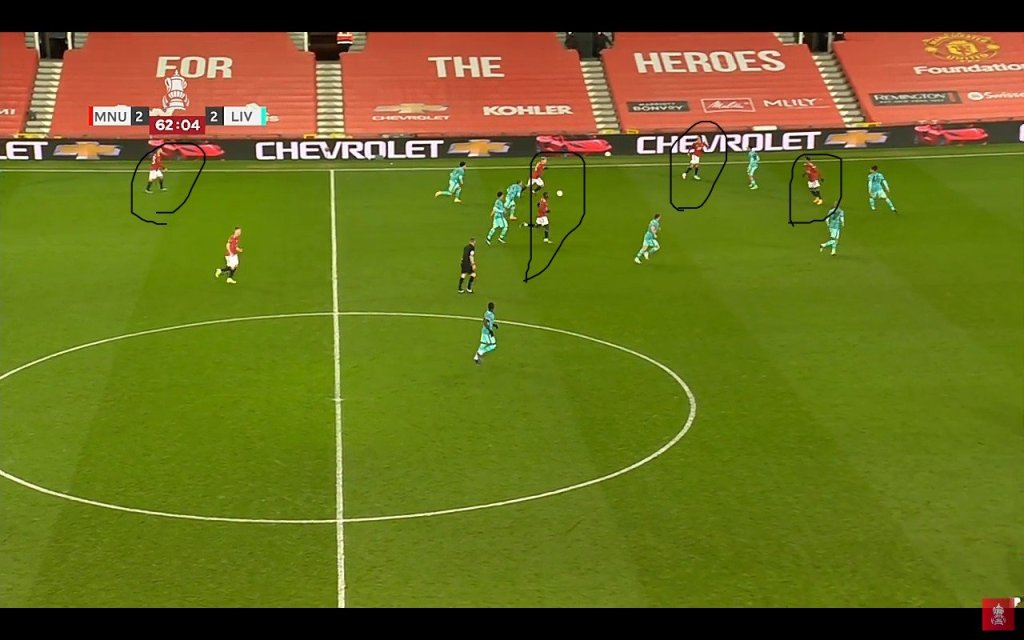
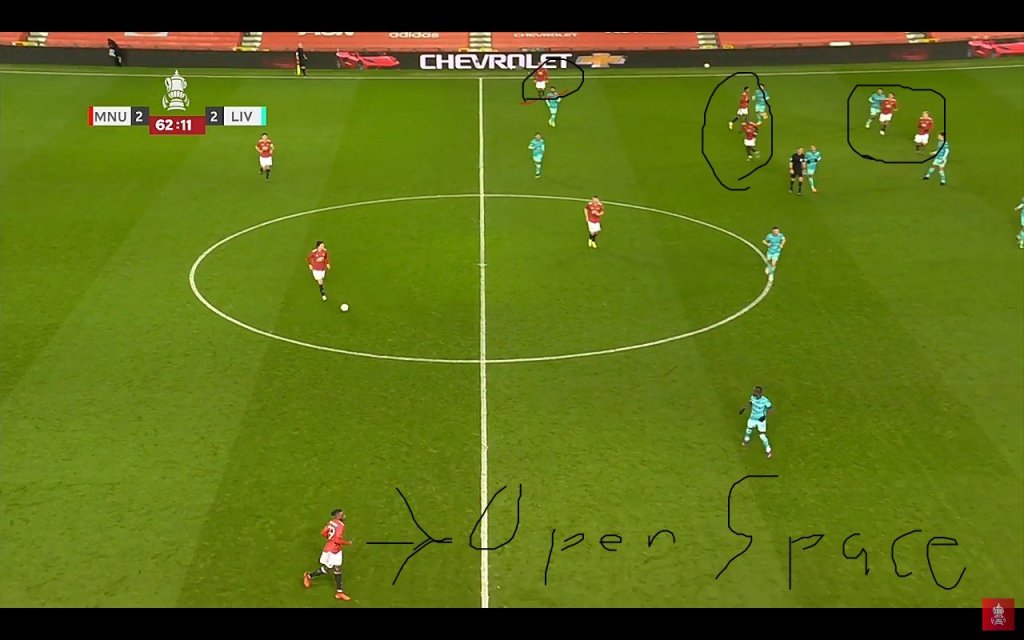
Down Right Flank: Everything that I just mentioned above but this time done on the right side of the field……
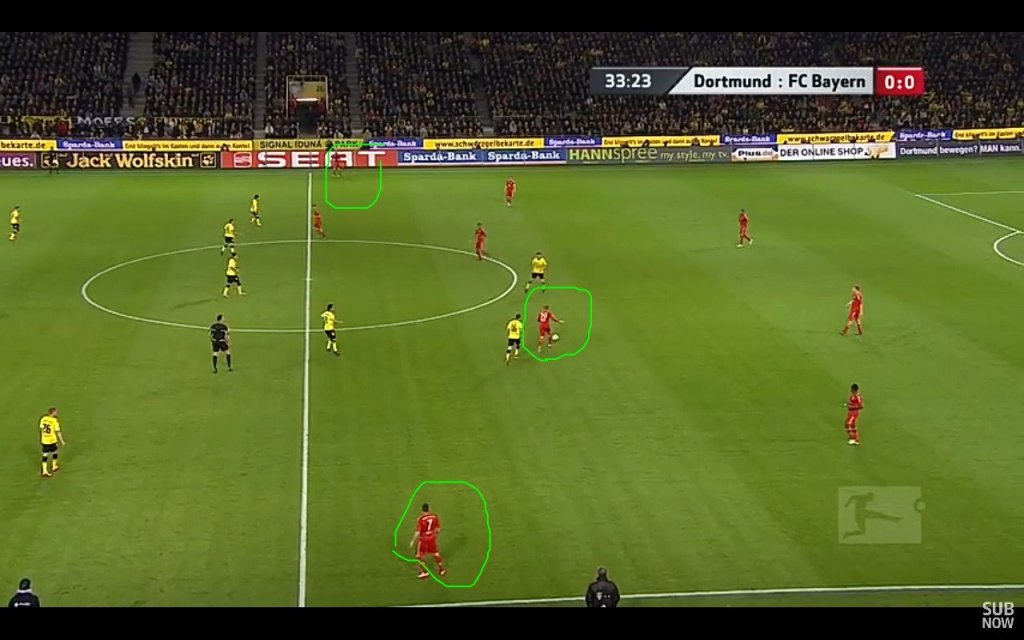
Down Both Flanks: Now we’re actually speaking of a system that you’ve probably come up against. Like the name suggests, majority of the build up play and chance creation occurs on both sides of the pitch. The major reason that someone would implement this style of attacking is down to one word: width. The wider your team operates, the more space will be created which will force the opposition to separate from each other, leaving a lot of gaps for attack minded players to penetrate. It also creates a lot of 1V1 scenarios which are a winger’s dream and a full back’s (unless your Maldini or Azpiliecueta) nightmare. One of the greatest team to implement this style of attacking had to be the Bayern Munich team from 2008-2013( Y’know, the Robbery Era). That team operated down the flanks like clock work and it is a style of attacking that has not been seen as much now due to the increase popularity of possession based football ( Thanks Pep). Throughout almost every attacking transition, the pattern would be to pass the ball within the middle of the park allowing Lahm and Alaba to get high up the field to create the wide overload, get the ball into the feet of Robben or Ribbery, and have one of the two Mario’s (Gomez or Madzukic) occupy both central defenders. When Robben and Ribbery had the ball they were almost always 1v1 which, against those two, was really only going to be one outcome. This Bayern team was amazing to watch and it’s unfotunate that these type of wingers are no longer the norm as we are now living in the era of the wide forwards.
The one disadvantage that this type of attacking has is quite ironic….. Due to the constant attacking down the flanks this will leave a lot of space for the opposition to expolit down the side of the Center Backs and in both half spaces in your defensive third. Speedy defenders and a tackling king of a defensive midfielder are crucial in order for this system to work effectively (well that should be the case anyway). Now, bare in mind that each style has its pros and cons and if you are confident that you have the right players to play this system then it will be an enjoyable style of play to behold as the pros most definitely outweigh the cons.
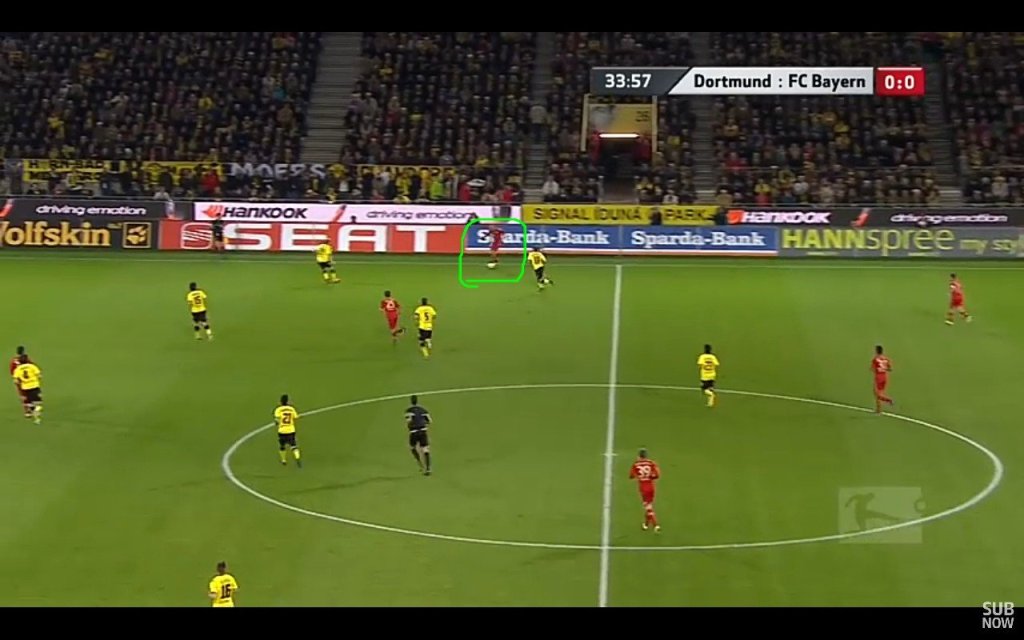
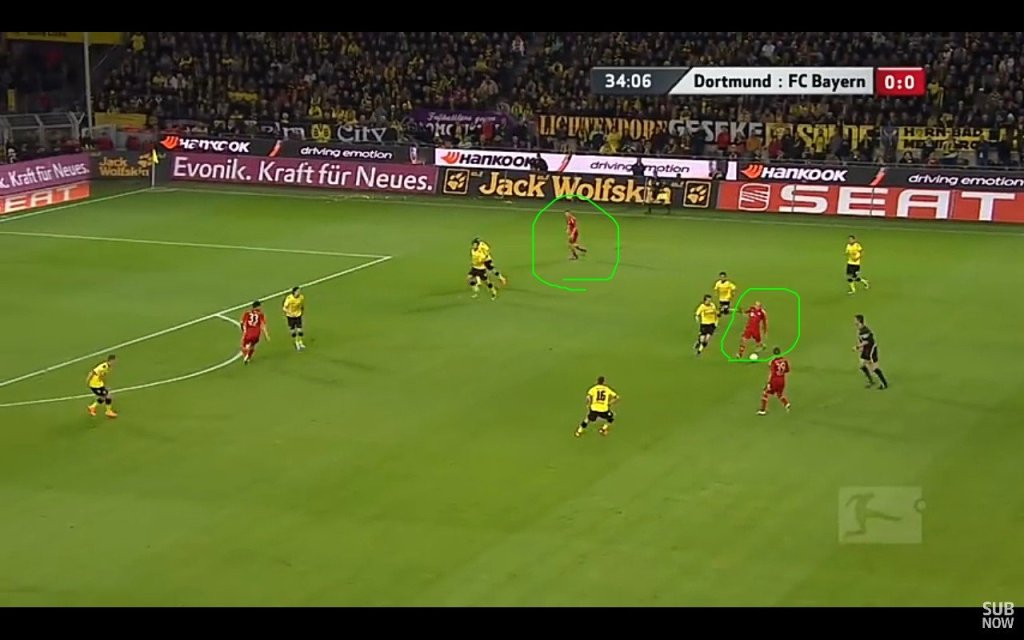
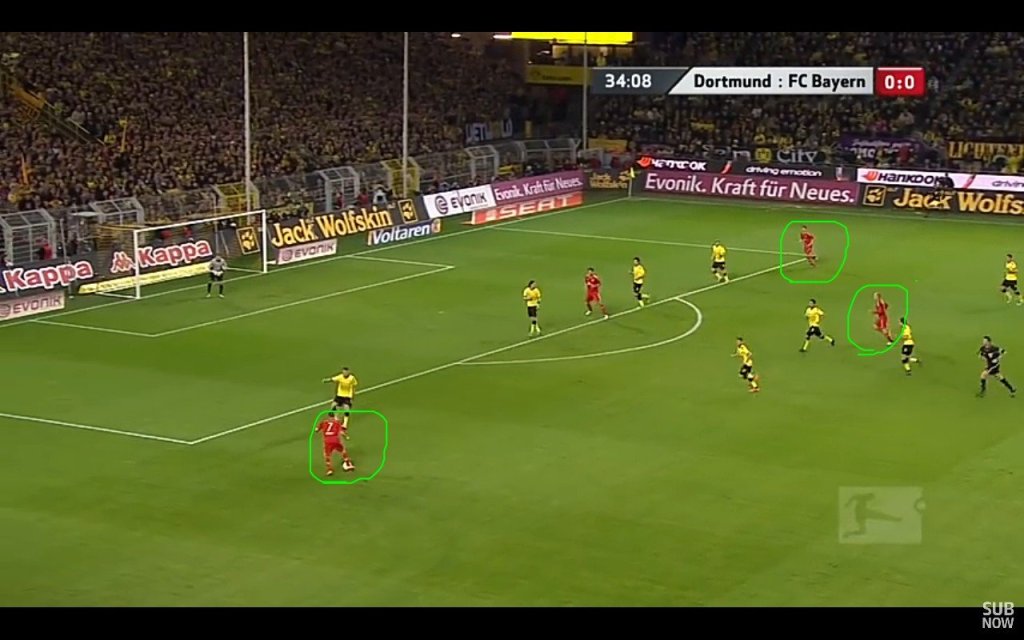
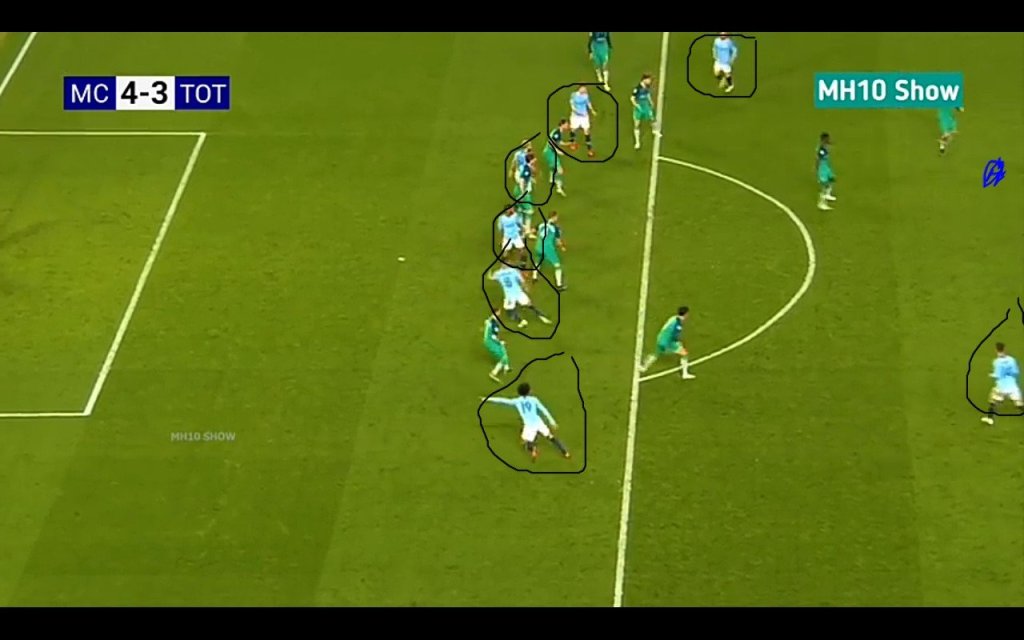
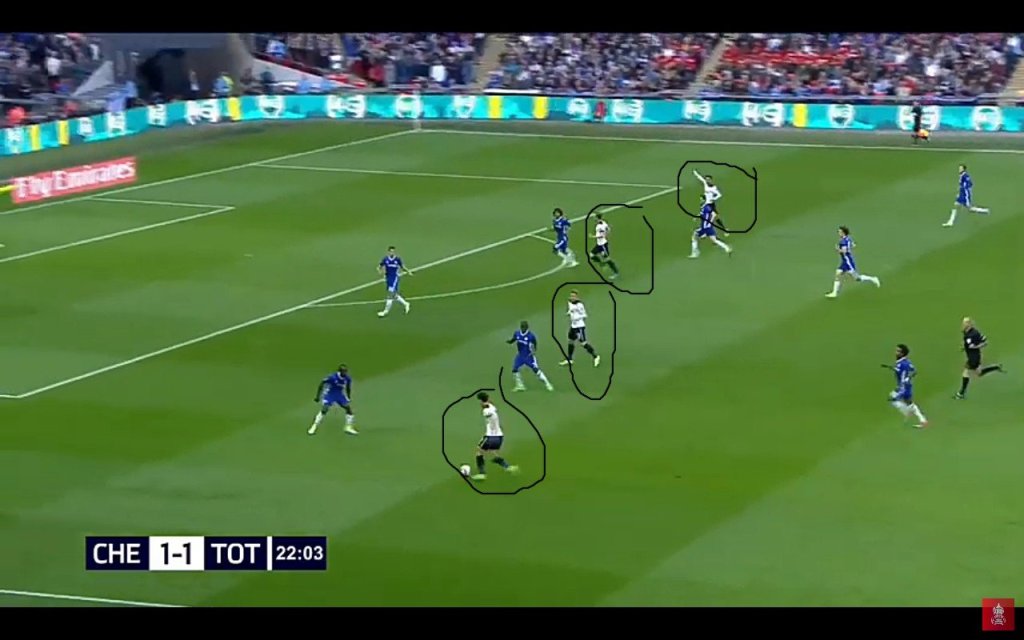
Through the middle: Ahhh, the sound of sweet sweet system implementation…. You can guess by my brovado that this is my favourite type of attacking area and how can you blame me. When you hear terms like: between the lines, zone 14, pockets of space, they are all refering to a team in posession looking to create disaster within the middle of the field. This is, in my opinion a glorious attacking approach that is primarily focused on maintaining posession as well as creating goal scoring chances within the width of both 18 yard boxes. As I mentoined in Blog post episode 6: Soccer manager worlds navigation: Gameworld page, I’m a BIG believer in dominating the middle of the park in order to dominate a match and theres no better way of doing that than playing through the middle. The key players for this system are players who like to roam and switch positions as well as having excellent movement. Movement is key for this system to work. Whereas Down both Flanks is more focused on having forward players who possess high speed and trickery, Through the Middle is all about pass and move into space causing the oppositions defence to be constantly pulled out of position. One of the greatest implementors of this system is the Barcelona team from 2008-2012 but most of you soccermanagerites already knew that Barca were centrally biased. One team that you probably never thought played a Through the Middle attacking style was the Totenham Hotpur team of 2016-2019. That team played with a 4 prong attack consisting of Kane, Alli, Son and Eriksen. If you watched them play you’d see that neither ever stayed on the touchline as they were all given the freedom to float around within the central area of the field. They were allowed that freedom due to the brillance of Danny Rose and Kyle Walker providing the width from full back and the added defensive protection from Wanyama and the dynamism of Moussa Dembele ( arguably the most underrated player the premier league has ever seen). I absoulely enjoyed watching that team! It’s too bad that they couldn’t win anything but, I mean it is Spurs right? The major flaw within the T.T.M system is that the wide areas are left completely exposed. When it comes to T.T.M VS D.B.F that space on the flanks is absoulely deadly due to defensive players being isolated as well as the possibly of deadly crosses consistently. Nevertheless, I’m approaching any match between these two as a “were going to win 4-3” mentality because T.T.M is just too good to ignore!
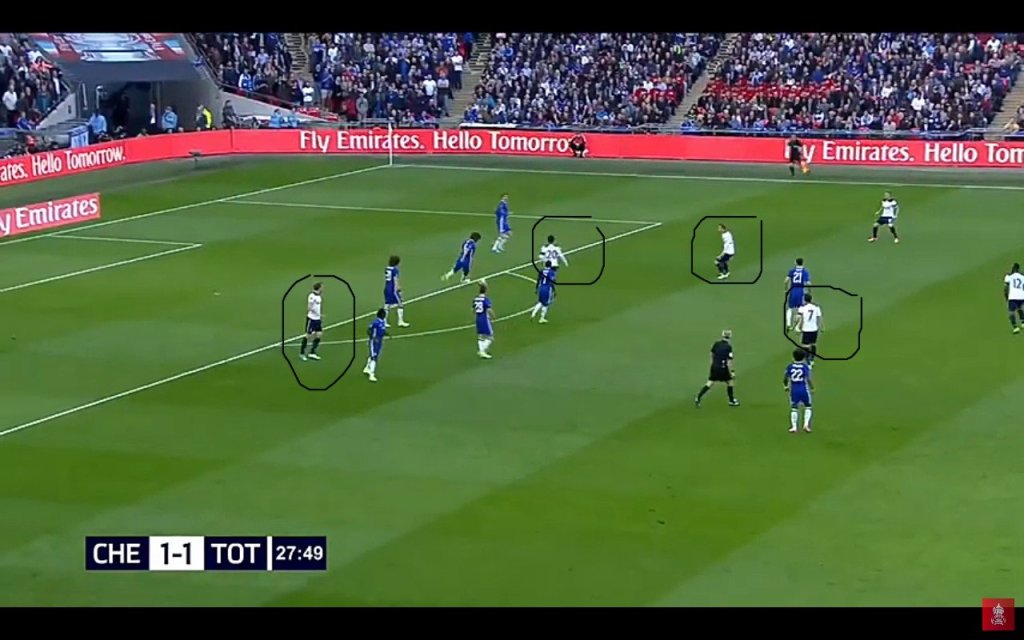
MIXED: The best of both worlds! Similar to a mixed passing style, the mixed attacking style comes with it the freedom of building up on any area on the pitch. This is an absolutely dangerous prospect to consider because this makes a team in possession absolutey unpredictable and unpredictabilty leads to tactial confusion for the opposition. It’s also pretty simple to understand as anyone can grasp what is meant to mixed things up when in posession. Similarly to T.T.M, this attacking style has the benefit of allowing players to float within different positions in order to find space and create goal scoring opportunies. The most simple attcking style so the best option if you are newbie to this game.
PRESSING
To press or not to press? That is indeed the question in hand. If you were to ask most fans then they’d tell you that they want to see their team giving 100% every game but that 100% dosent have to be done with a high press. I Introduce to you my take on pressing. Hope you enjoy it!
Own area: Also known as a low block, this type of pressing is as defensive as you can get. The sole focus while pressing within your own area is make your team inpenetrable. Attacking has been thrown out the window and the only focus is to sit infront of your goal in an attempt to protect it as much as possible. This type of pressing works hand in hand with a defensive approach as your players won’t be looking to do a lot of attacking anyway. Every player is able to press regardless of the type of press you implement but some players fit different styles compared to others. Pressing in your own area requires defensively brilliant players who have an inate ability to win the ball back through their 6th sense of tackling. Arieally dominant players are also needed because most of the space given to the opposion will be on the flanks so expect to get a variety of crosses being flung into the box every 5 minutes or so. This pressing style is solely based on a defensive mindset so, soccermamager please stop allowing managers who use this style of pressing with an attacking mindset to have 75% of the ball….
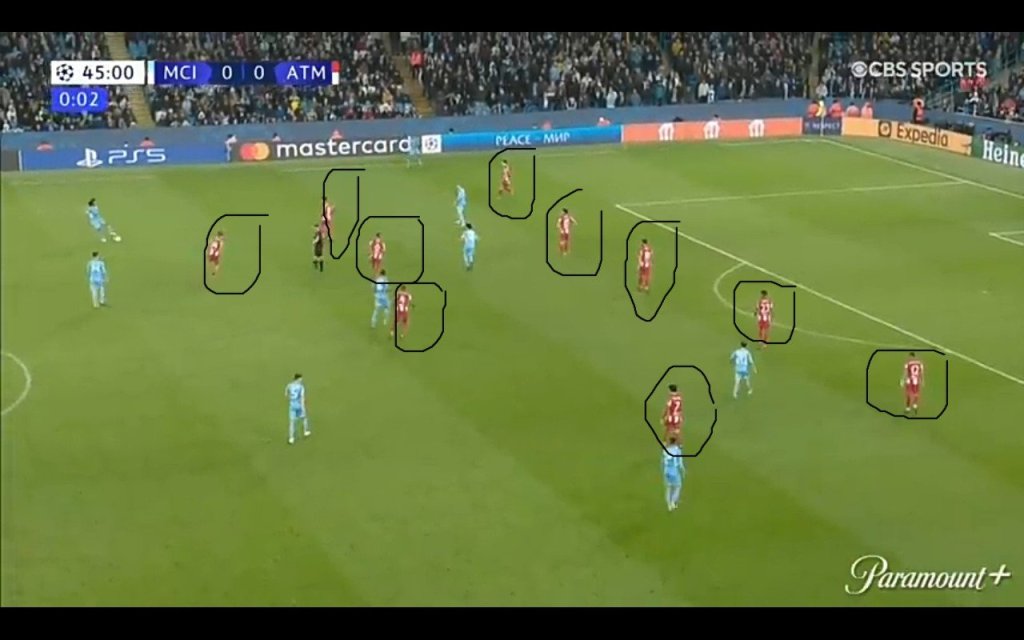
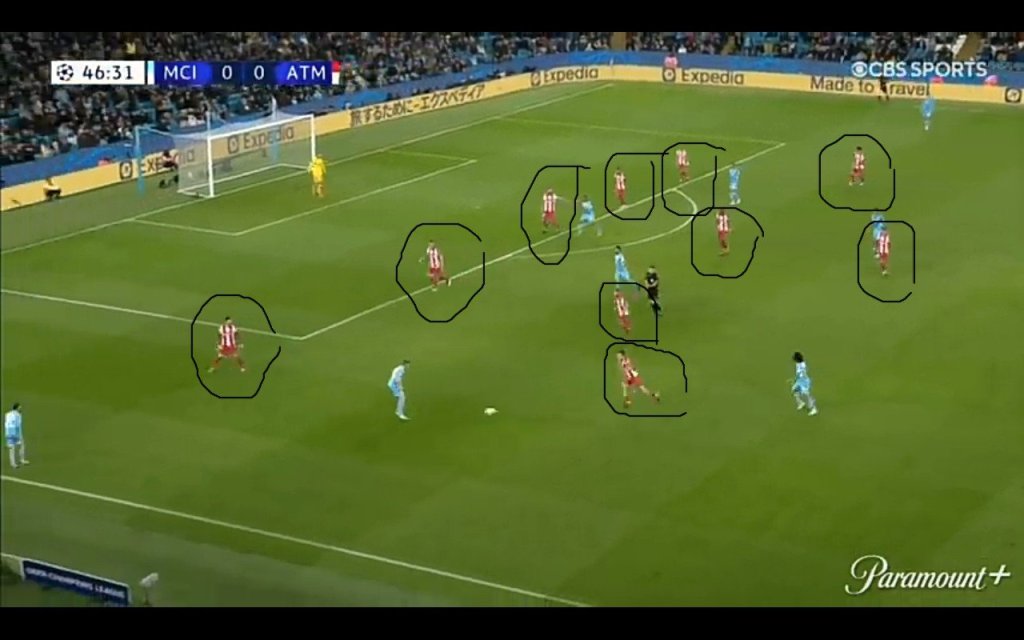
Own half: Also known as a mid block, this type of pressing is done most in the middle third of the field. It is the default pressing that you will find being implemented at every team you manage and it is one of the best types of pressing that reduces risk when out of possesion ( It’s not too deep where your consistently under pressure and it’s not too high that you’re leaving your defenders isolated). The mid block has the advantage of allowing you to operate with a high defensive line which will make the field ‘smaller’ by asking the opposition to look for a high risk pass in behind of the defence. It also allows for more energetic players to be slightly more proactive compared to it’s deeper counterpart. In order to get the best out of this type of pressing, players who possess high defensive attributes as well as an average level of work ethic is necessary.
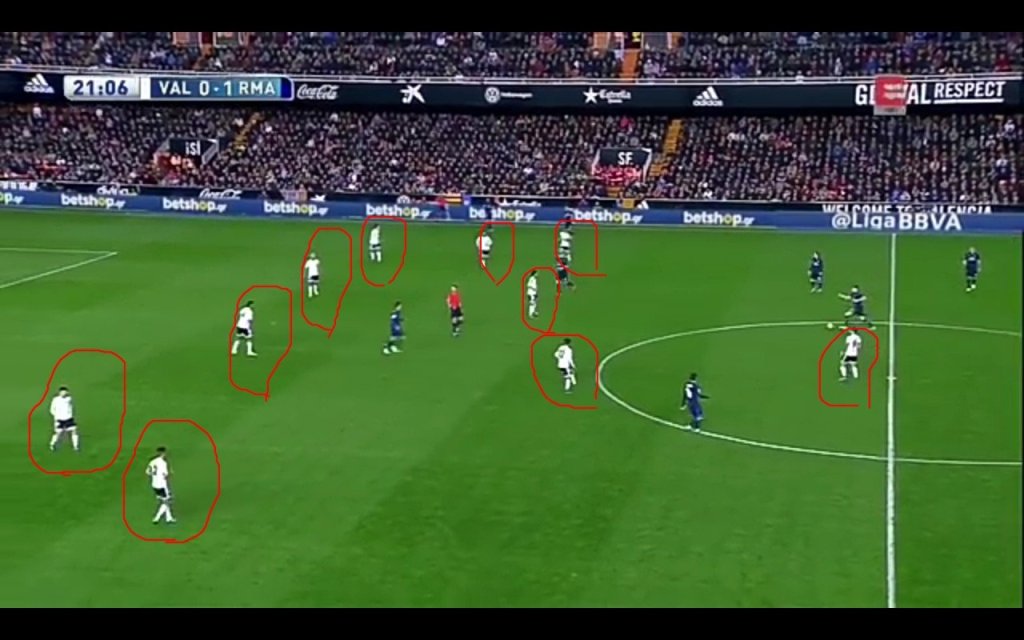
All over: Here it is! Press, press, press! Nothing is left in the tank with this type of pressing style. The key attribute of a high press is that it essentially looks to make the opposing team uncomfortable when they are in possession of the ball. Using various pressing angles, pressing shapes, the touch lines as extra defenders, as well as simply being a nuisance, the high pressing method works the best if you’re a manager looking to dominate the entirety of a match. Unfortunately (I say unfortunately because I am a Central Defender) it seems as though the days of being more of a conservative coach and winning leagues are gone as majority of managers who are winning that prized trophy are now pressing from the front so much so that I had no other choice but to change my way of playing and started making it second nature (still mucking hate conceding goals due to that high bloody line tho). The type of players needed to press in this manner have to be elite levels of workaholics. Think Kante, Mane, Mount, Sterling, Theo Hernnadez, Suarez, Goretzka, Valverde, Di Maria, Bernardo Silva etc. It also helps if you have defenders who are blessed with pace like Rudiger, Marquinhos, Ruben Dias or Van Dyk etc. but the key as a defender in a high line is defensive positioning so that should always be your first thought when thinking about defenders for your high pressing style. Ofcourse with every advantage they are also disadvantages as well. The major disadvantage of a high press is the suceptibilty of leaving yourself open for counter attacks. This is especially dangerous against teams who have attackers with terrifying pace and a system where they play a fast passing tempo. The high press also requires a lot of energy therefore players will start to feel extra jadded within the last 15 minutes of the game.
TEMPO
To wrap up today’s episode, we end with another important component of your team instruction. Tempo is an indication of the pace at which your team will look to recycle the ball during posession. Sounds simple right? It does have some more nuance to it so let’s dive into more detail.
Slow tempo: By now you probably correlate this tempo with playing a short passing style and if you’ve done that then you’ve already graduated to a tactical manager! Indeed, this tempo is all about keeping the ball at all costs through methodical passing patterns in an attempt to tire out your oppositon into making mental defensive errors as well as allwoing your team to rest on the ball as it requires way more effort to chase a ball than to have it within your posession. As you are aware, this type of tempo requires that you have players who are operating at the highest level technically as it can become very easy to have a possession based team who are simply passing the ball side to side due to the player’s lack of techinical prowess and imagination.
Normal tempo: Like almost everything else on soccermanager, the normal option is the most popular as it is the simplest one to understand (hence the reason why it’s always the default option). This passing tempo allows your team to obtain a mixture of slow and fast passing during possession of the ball which is fantastic as there is not that much emphasis on a specific type of player for this tempo, however, your team instructions , which we will be dicussing in the next blog post, is absolutely crucial for getting the best out of this tempo as failure to use the right combinations will lead to mediocore performaces on the field.
Fast tempo: Need for speed! The normal tempo may be the most popular (and we’re using the word popular to say that it is simply the most used) but a fast tempo is without question the favourite of many soccermanagerites! I assume that majority of people who play soccermanager are fans of the Premier League and if you are then you need no telling of how incredibly fast paced the matches are! This tempo is all about high intensity on the ball which will require a lot if 2 touch passing, pass and move sequences, third man running and quick speed of thought. There really isn’t that much when it comes to disadvantages when it comes to this type of tempo besides the fact that most teams you come up against will be using it which makes getting the best of your nearest competitors extremely challenging.
And that ends today’s blog ladies and gentlemen. I appreciate your time as always and look forward to spending some more time with you in the next one which will be about your playing style! So get ready to have your ‘men behind ball’ as we’re looking to ‘counter’ any ‘offside traps’ that will be on your ‘target, man’……
 The Soccermanager Experience
how do i use berardi gonçalo guedes and palazon? midfield with eriksen mckennie and partey?
LikeLiked by 1 person
Hey mate! I’d say play a 4-3-3A with Berardi as your F(C), Gudes off the left, with Palazon off the right. Who is your D(R)?
LikeLike