
“Your reputation dosen’t stand for anything. You have to come and try to get up and show you’re capable of doing your job“: David Moyes
This system is a tricky one to explain. On the surface, it seems legit enough but I can guarantee that it is very rare to see a team playing it within real life soccer today. Nevertheless, I have ganared a small reputation as the ‘Soccermanager tactics guy’, so I cannot let my supporters down (shout to you, Soccermanagerite, you know who you are! 🫵).
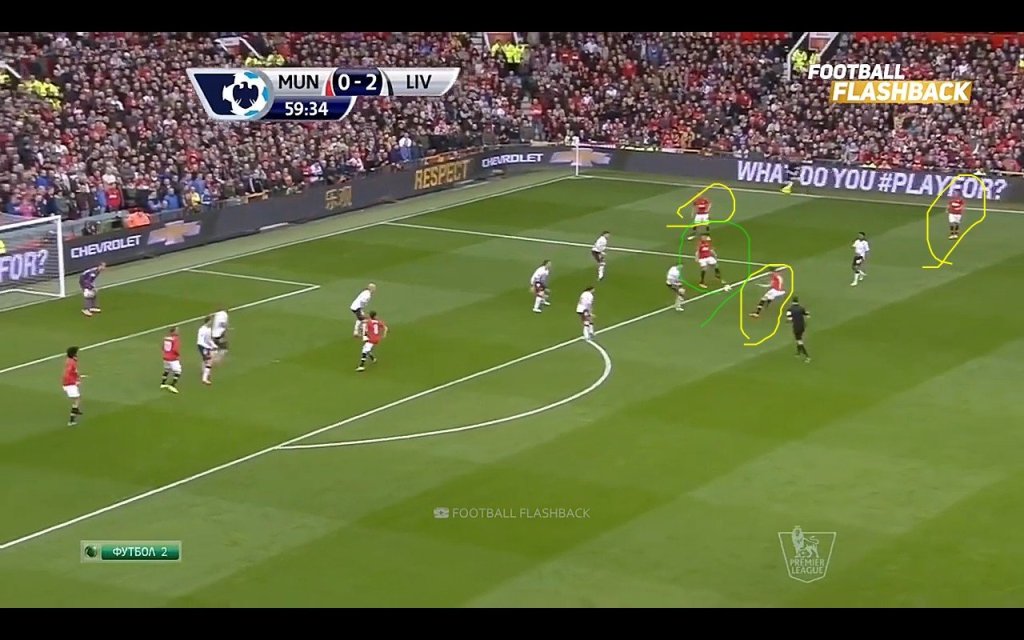
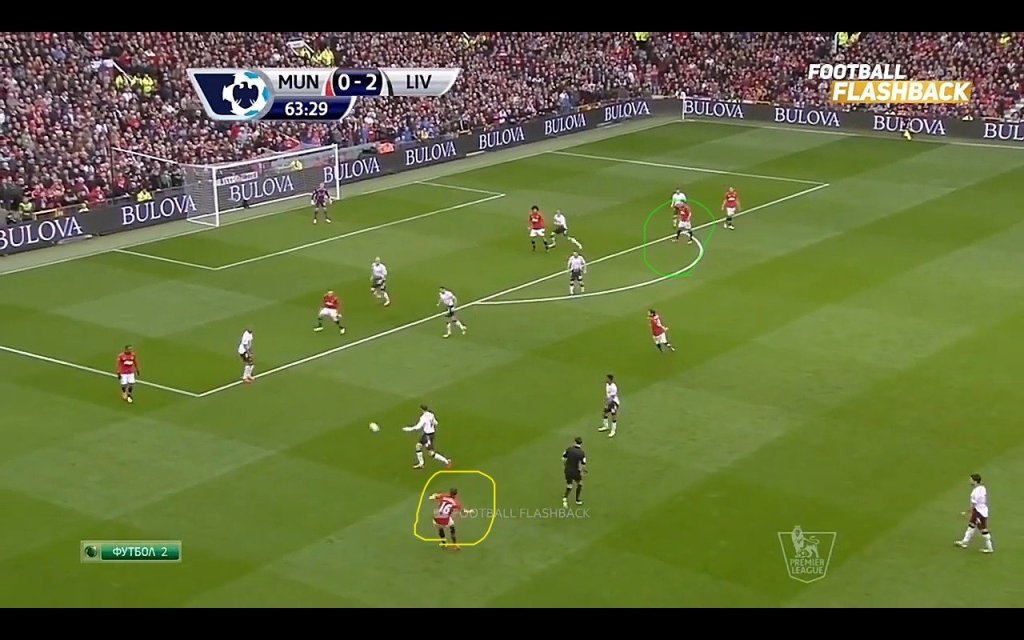
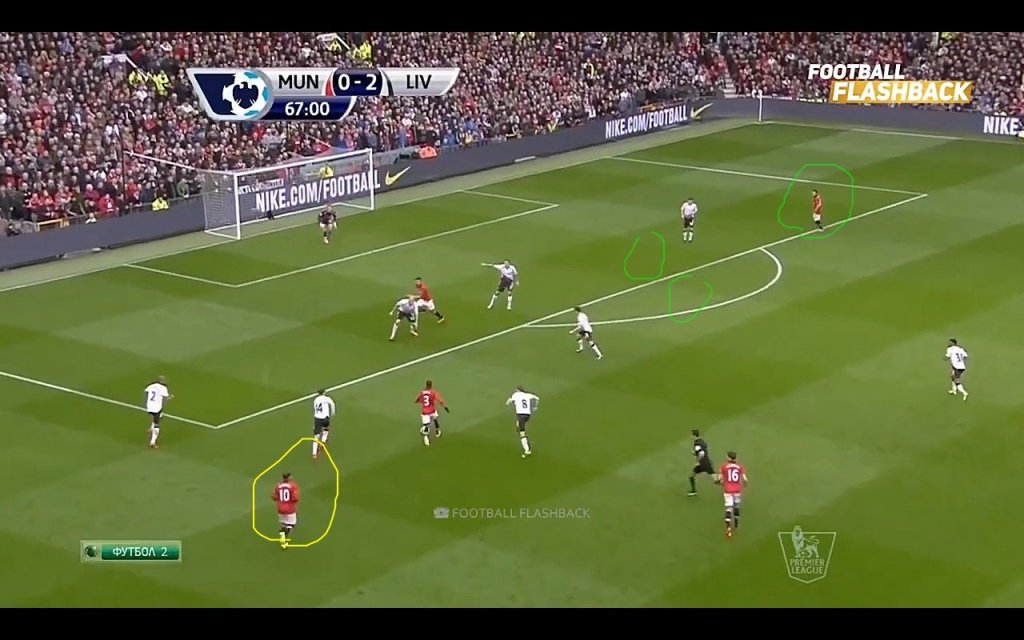
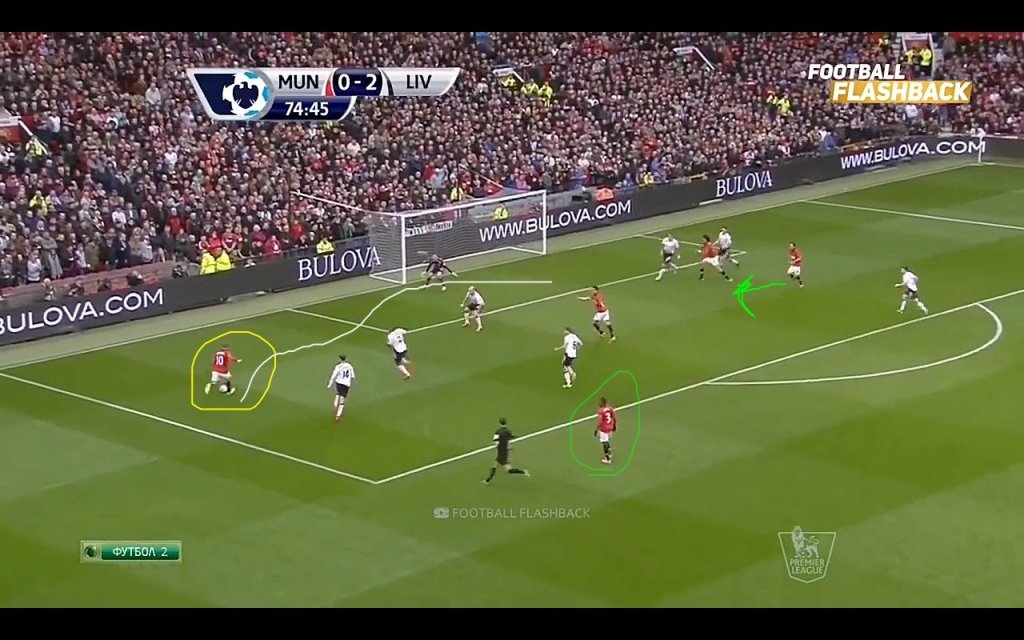
So, let’s get straight to it. The Down Both Flanks and Mixed pattern of play is all about using the flanks to stretch your opposition but not necessarily using it to create most of your goal scoring opportunites (if that makes any sense, bare with me lol). What I’m trying to explain is that during phases of your possession, your attacking players will seek to stretch the opposition via the use of width but rather than seek to get 1V1’s, crosses into the box, or balls in behind (which are all things you can expect from a D.B.F and Direct style of play). Instead, your attacking players will look to link up through pass and movement, switching positions and creating overloads outwide. Now, this is not to say that they won’t look to get into 1v1 situations or make runs in behind at all, it just simply means that they won’t be looking to do these movements for every single attacking play. We must always remember that a ‘Mixed’ style of play means mixing things up which will make it more difficult for the opposition to man mark your players due to the constant rotations.
To get the best out of this pattern of play the personnel at your disposal is absoultely CRUCIAL! This pattern of play does not allow for ANY player who is not comfortable on the ball, plus your forward players (Wingers, Wide Fordwards, Strikers, Attacking Midfielders, etc) must be technically suberb and positionally versatile. So there’s no room for big Target Men, static number 10’s or traditional ‘Wingers’.
I want you to take a look at this team here:
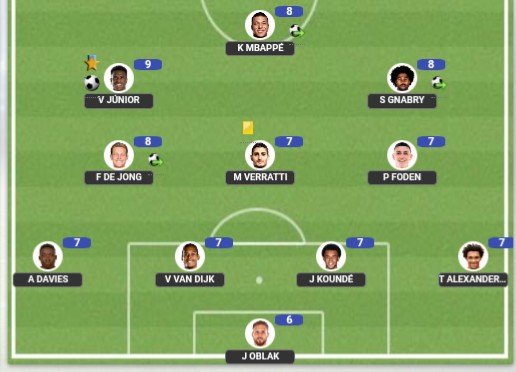
This is an image of a Benfica team within the gameworld that I’m in that plays this exact system we’re talking about today. As you can see, this XI is incredibly strong but what makes it so special is that their level of balance is insane. This manager (shout out to Andy Newton) used to play a D.B.F and Direct style and although it was successful for him, by changing to a Mixed passing style it allowed him to get the best out of a player like Foden in a midfield 3 (Foden prefers to play as a forward by the way), while also allowing man like Gnabry and Mbappe more freedom to express themselves as Direct passing would’ve “shackled” their creative abilities (I quotate the word shackled because having these type of players running in behind consistently would still be a problem for literally every defence out there). Benfica also have the dynamism needed in the midfield alongside Foden for this system to work as well as having, in my opinion, the 2 best fullbacks for this system in T.A.A and Alfonso Davies. I said this XI is balanced and those two sum it up really to a tee: One is extremely creative while the other is a fantastic progressive ball carrier and off the ball operator.
The downside to this pattern of play is that if my mate Andy were to seek to obtain a more focal point in offence (like a Tammy Abraham or Aubameyang), look for a creative, yet immobile midfielder (a Thiago or Kroos), purchase less dynamic or less offensive fullbacks (a Sergiño Dest or Ferland Mendy, for example) or play ball hogging wide men (a Saint Maximan or Leroy Sané) then he’d be looking to rely on individual brilliance to ensure the success of his team rather than having a team that is free flowing from defence to attack. I’m saying this as an indicator of the importance of the exact players required for this pattern of play to work to it’s fullest potential. If you’re reading this Andy, it’s too late (well, for every other manager in our gameworld that is lol).
As I mentioned earlier, majority of teams within today’s game do not play this system, so locating an illustration was quite a challenge. The following images might be conisdered “trash” or if you’re more linient, “not my best bit of work”. It comes from a Manchester United team from the 13/14 season who played Liverpool at Old Trafford.
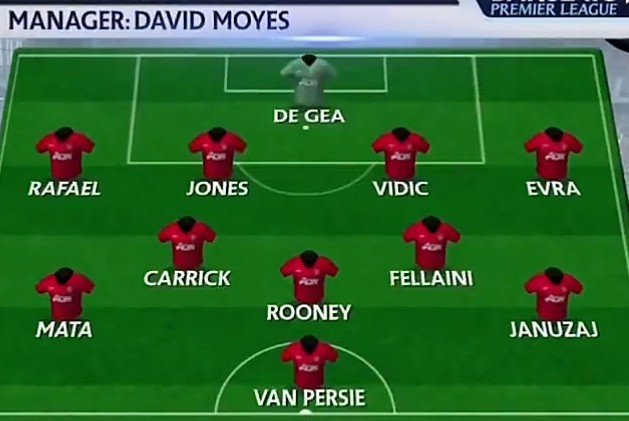
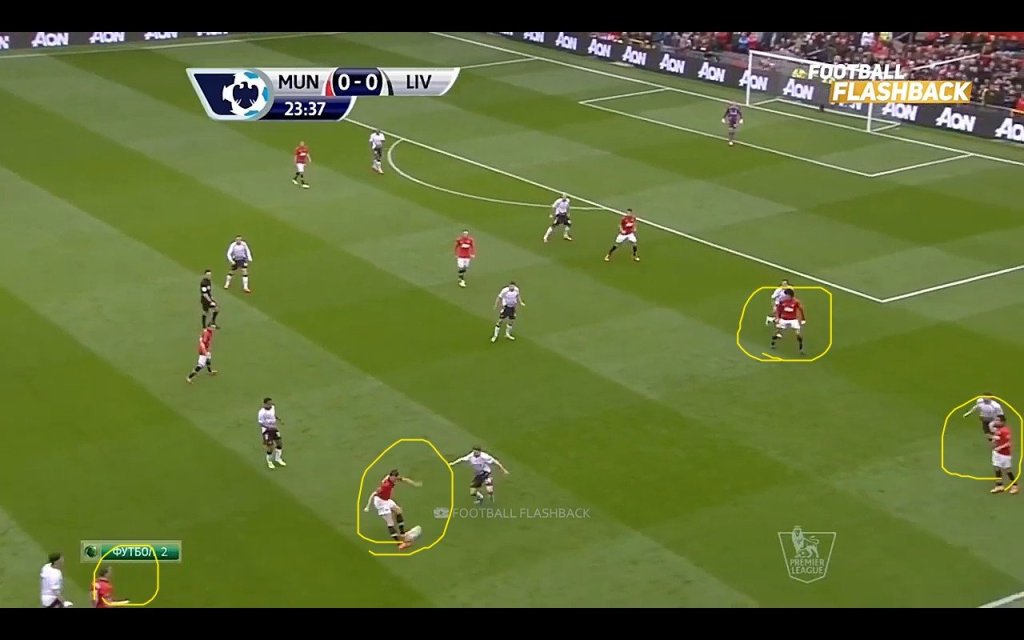
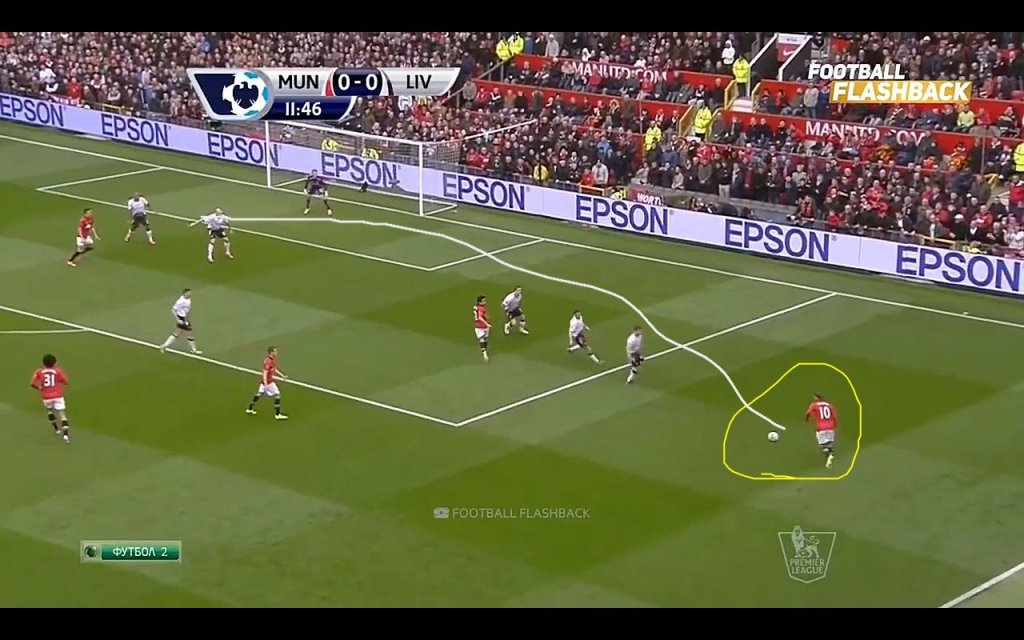
So that’s that, Soccermanagerites. Really enjoyed making this one as it allowed me to further my knowledge on the tactical aspect of this amazing game. In the next episode we’ll be taking a ‘short’ trip to find out if this system is ‘Through the middle’ of the entire tactical set up on Soccermanager. See ya! 🤭
 The Soccermanager Experience