
“Creating something new is the difficult part. To make it and build it and get everyone to follow? Amazing.” – Pep Guardiola
Here we are yet again for another one! I must say, from the feedback I’ve gotten on episode 2 there are a lot of soccermanagerites out there who are appreciating these blog posts. For that I say a special thank you for the support and I will do my best to not let you down in this one and in future blogs.
Now, let me wipe the tears from my eye and get into today’s episode. We’re going to be discussing playing style as well as playing instructions today. Football is quite similar to a game of chess as every piece on the board has an important role to play. If you get each piece doing the right job then you’ll find a system that works beautifully. On the other hand, if you struggle to get those pieces to function then you have successfully created a flawed system.
In the previous blog, we identified different variations of how your team will perform within possession of the ball. Today’s topic will be Playing style and here is where you’ll identify a set of principles in which your players will need to follow in other to obtain a proper functioning system. There are 6 key components within your playing style and they are: Men Behind ball, Counter Attack, Tight Marking, Play Offside trap, Use playmaker and Use Target Man. We will break down each individually while explaining the impact of how each are implemented when it is being used and when it is not. Let’s get started soccermanagerites……
MEN BEHIND BALL
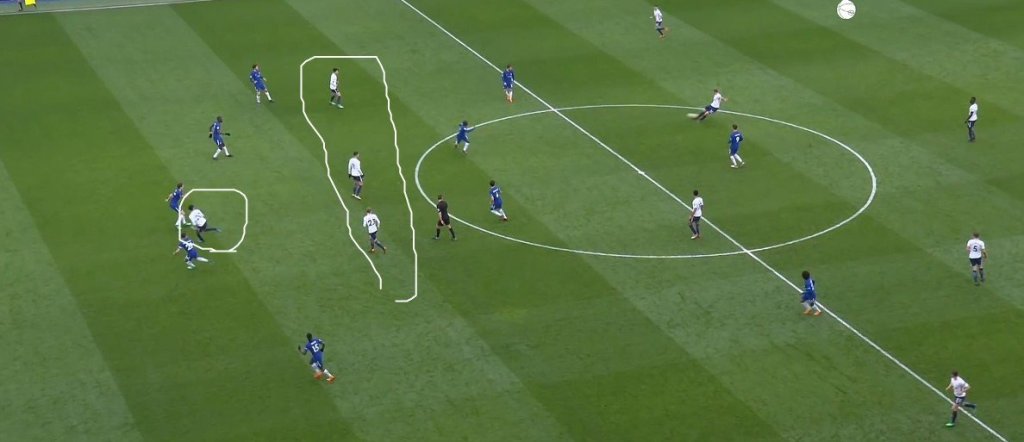
This is one of the principles that do not need that much explanation. Men behind ball is, well as it’s name suggets, getting your players to defend behind the ball when you are out of posession. The primary objective of this style is to ensure that your team becomes compact. A compact team is more difficult to break down and it is easier for your players (in particular your leaders) to bark out instructions as they have their team mates more closer to one another.
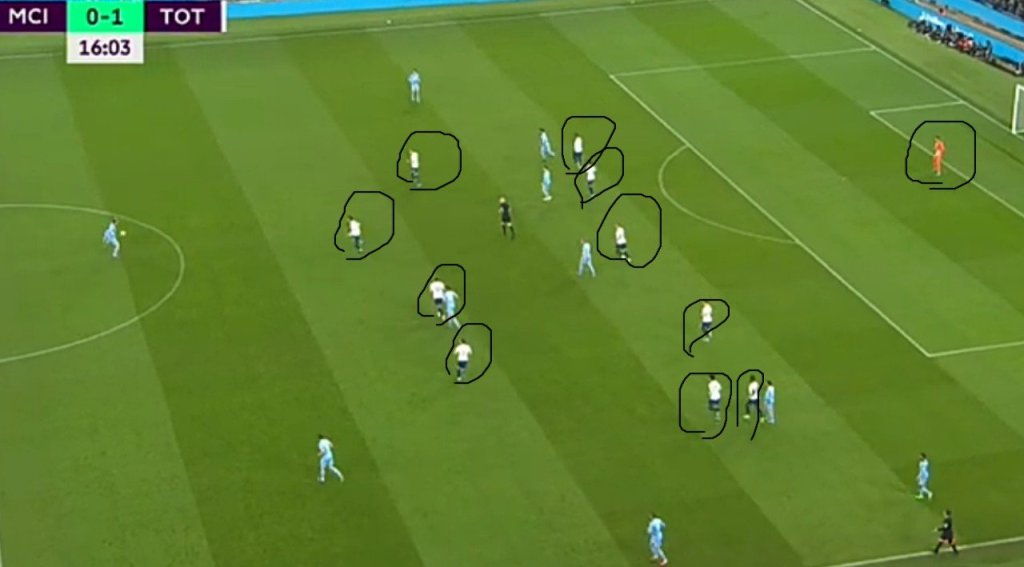
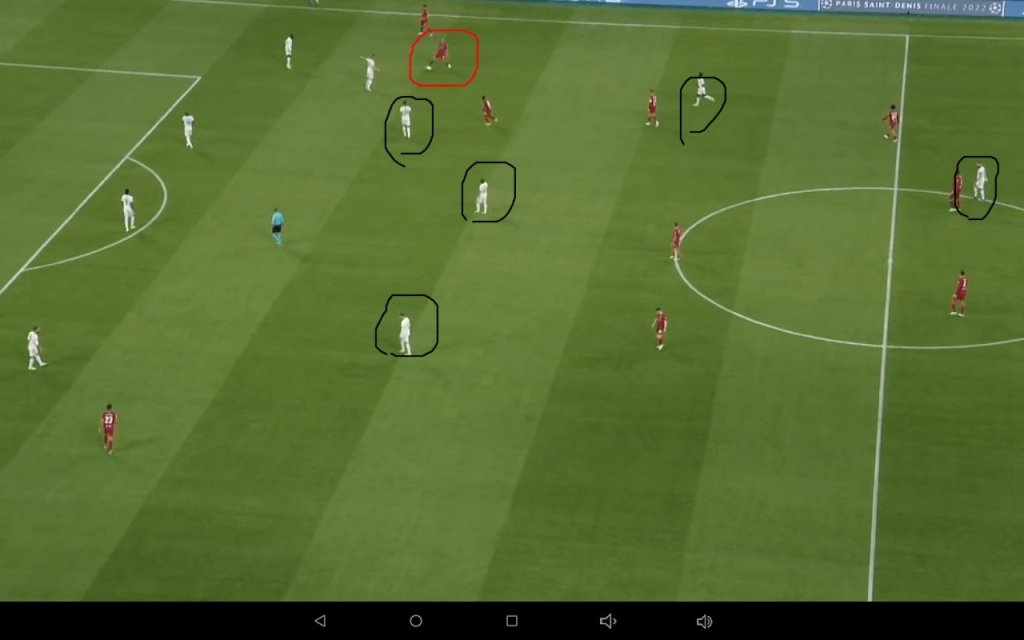
The above is how your team will normally look with the M.B.B box ticked. When it is left unticked that’s a whole new different ball game. An unticked M.B.B box indicates that some of your players ( mostly your forwards) do not have to partake in active defending once the ball has entered your half of the field. Their responsibility at that point will be either to defend passively by sitting on an opposition player or to recover and get ready for your next bout of posession. The rest of the team will then have to deal with keeping the opposition at bay
COUNTER ATTACK
Another pretty self explanatory style as if you do not know what a counter attack is I’m afraid you’re reading the wrong blog and following the wrong sport…. Counter attacks are all about swift transitions from defence to attack which are completed in as little time as possible. Unlike popular belief, a counter attack dosen’t just happen after a set piece, or turn over of posession in the middle third of the pitch. It can happen anywhere on the field and it is solely based on how much time it takes the attacking team to get the ball into the opposition’s penalty box and get a shot in at goal.
When the C.A box is unticked this is an indication that you are looking to play a more possession based game. Therefore the tempo you decide to use will be very crucial towards your success.
TIGHT MARKING
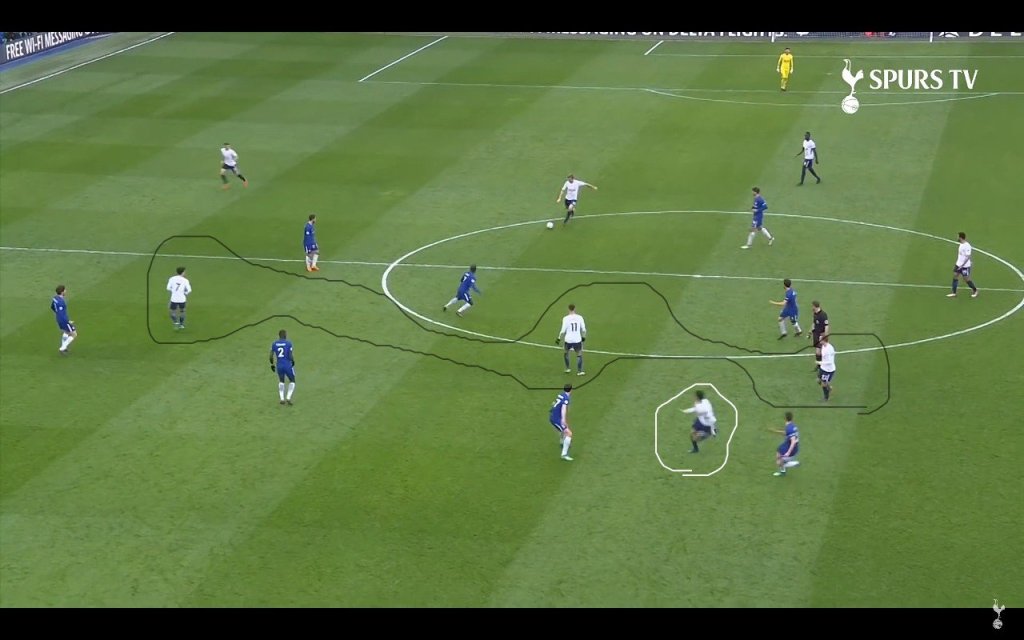
Arguably the most diversified style of play within these lot. Everyone may have a different approach towards marking the opposition tight but the basics remain the same. Tight marking indicates that you are attempting to keep track of your opposition’s whereabouts when on the field. This has the potential to make it difficult for the opposition to get time and space on the ball as they are constantly hassled or slowed down due to this marking scheme. Personally, using tight marking for me is against teams and players who prefer to pass the ball to feet rather than trying to get in behind of my defence. I also never use a tight marking approach without having at least 3 players in midfield (told you I hate losing the battle in midfield) as this can be a recipe for disaster.
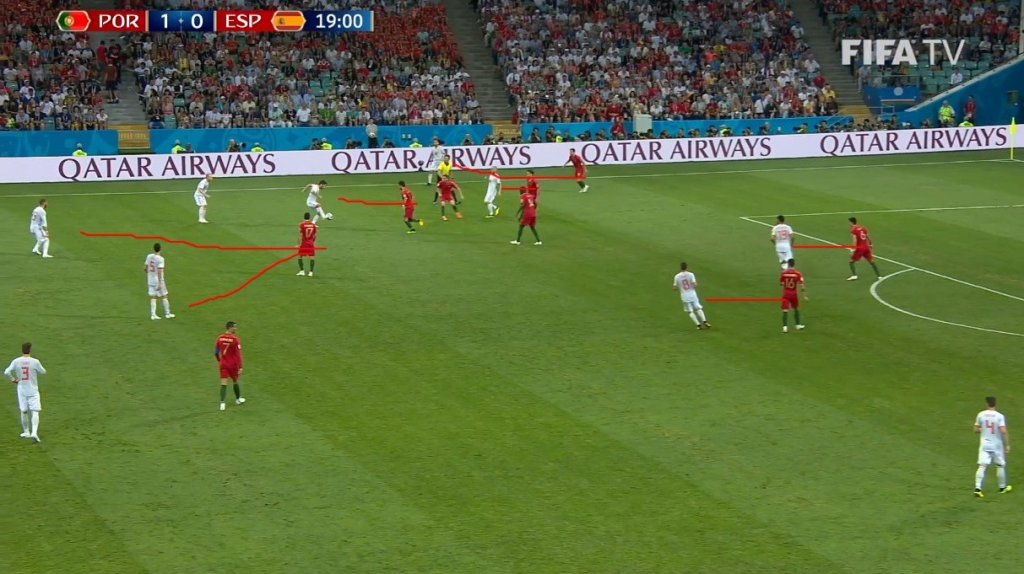
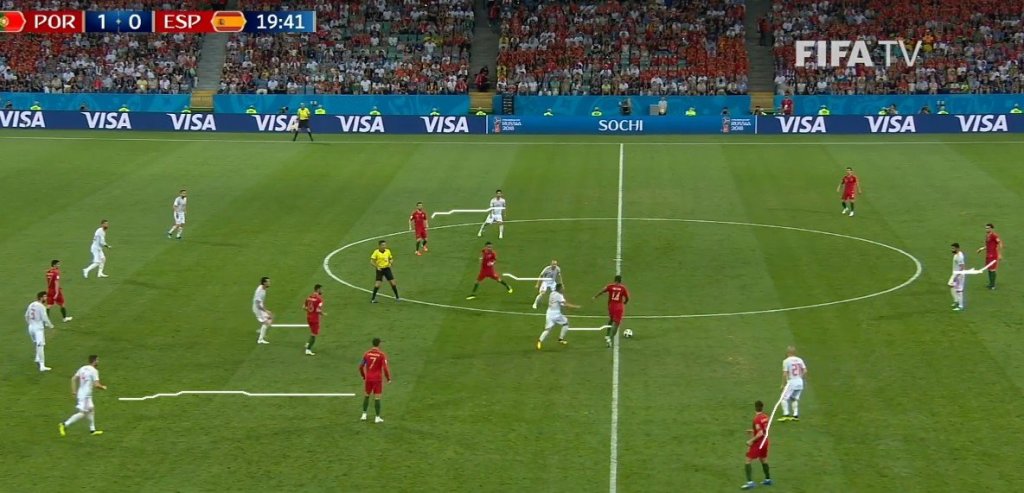
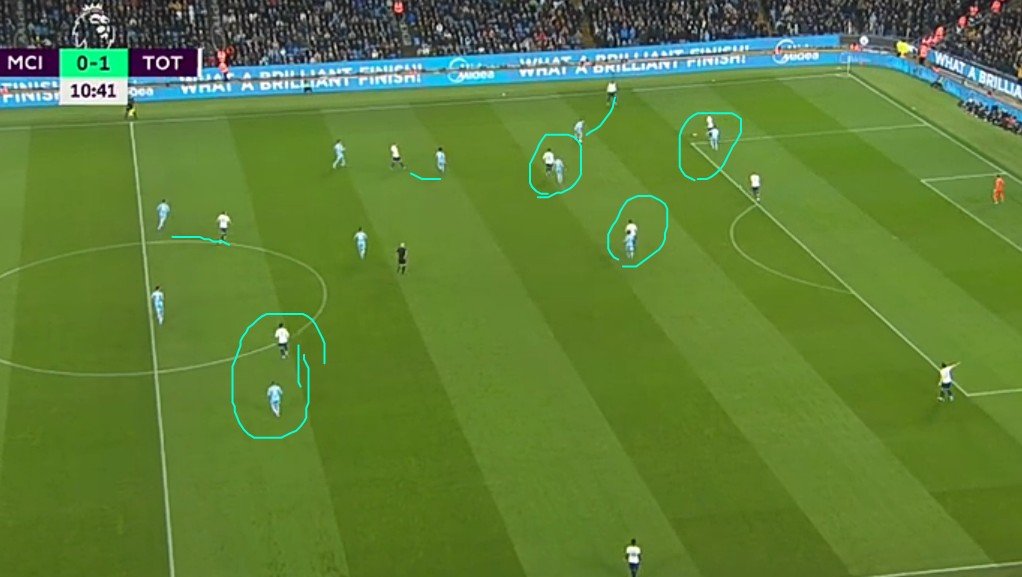
On the other hand, when the T.M box goes unticked this is an indication that a zonal marking scheme is being implemented. Zonal marking means that your players will mark a space on the field rather than going directly against their opponent. This helps to keep the shape of the team as creative and skillfull opposing players try to use their intelligent movement and dribbling skills to move your player out of position. Whenever the opposition is within one of your player’s zone he can then look to stop that player or pass him on to another defender. ( when I say defender I do not mean Center back or full back. I am saying it with the perspective of your team being out of possession so every player is a defender at that point)
OFFSIDE TRAP
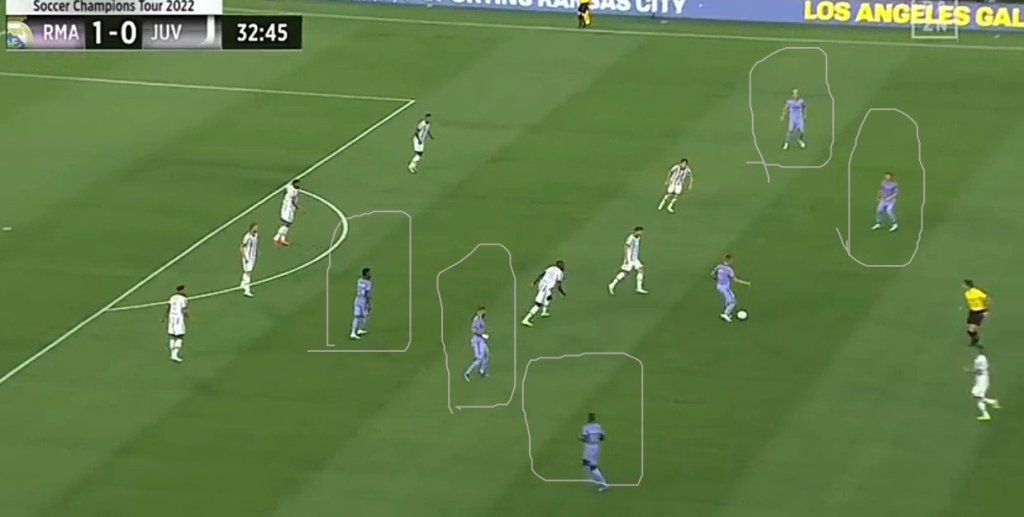
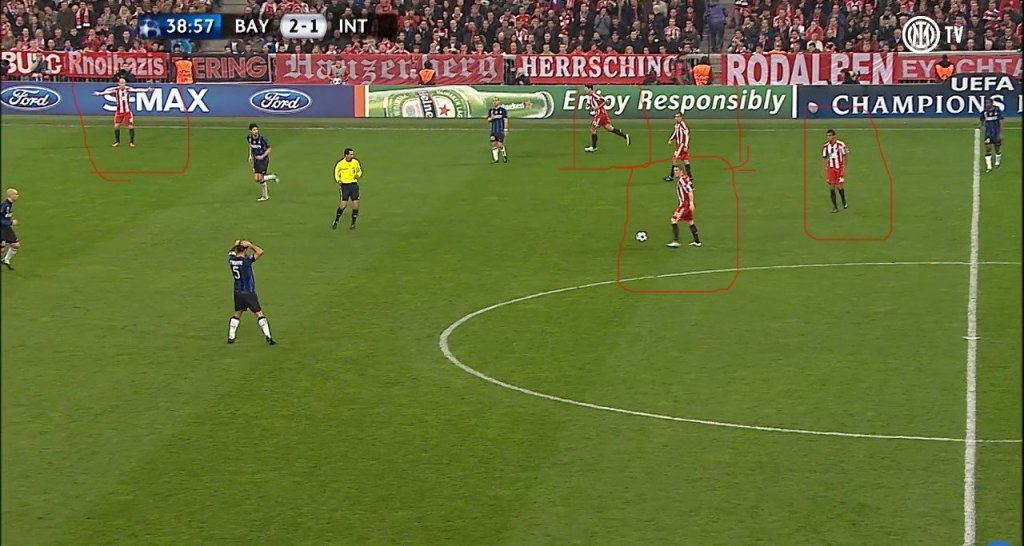
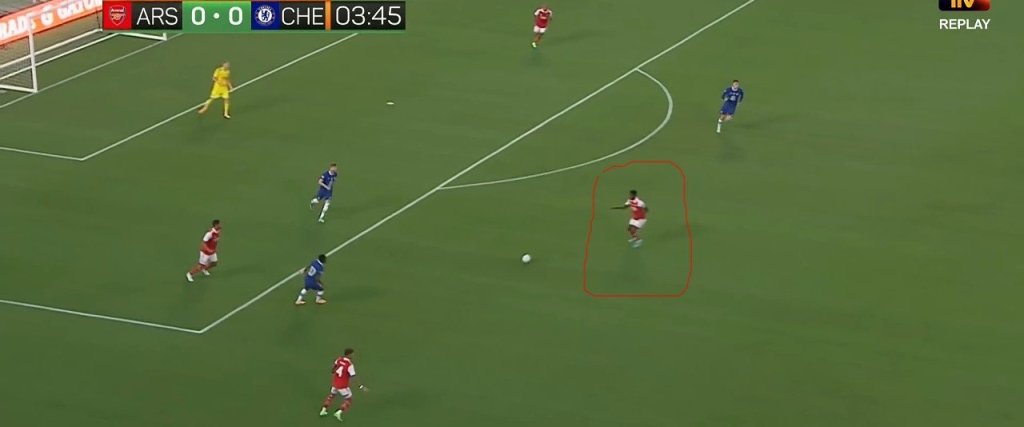
If you’ve ever played fifa then you will be fimilar with the ‘set offside trap’ option. It is quite similar on Soccer manager as the offside trap has the sole purpose of catching your opposition attackers behind of the defence while a pass to him is being made. It is a very tricky trap to implement as it requires your defensive line to be constantly in communication with each other. But when it works out it is one of the best ways to win the ball back quickly after losing possession.
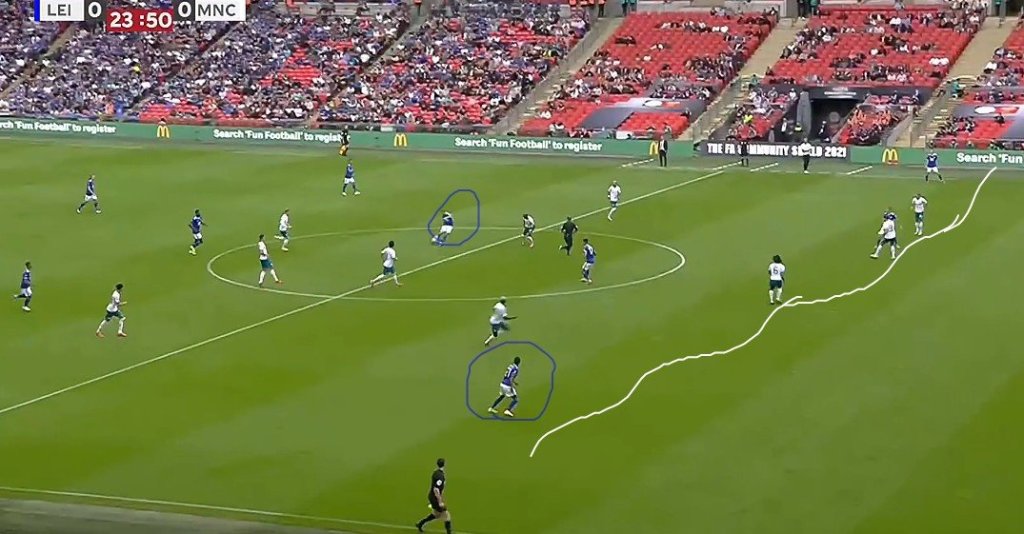
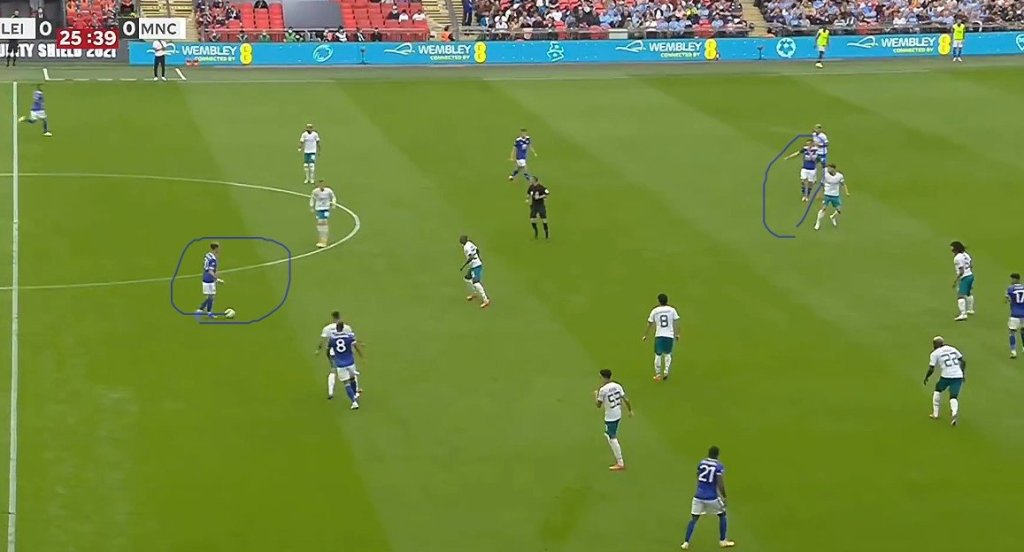
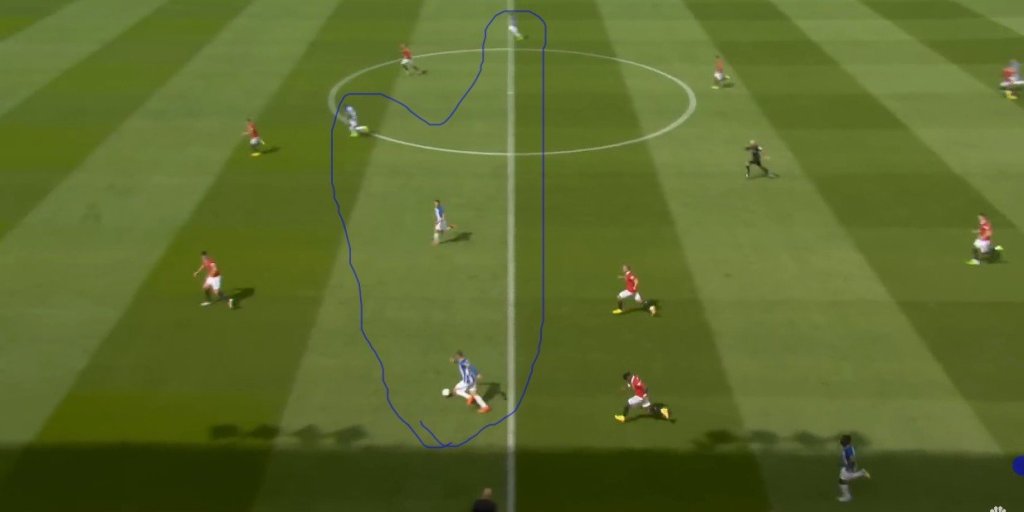
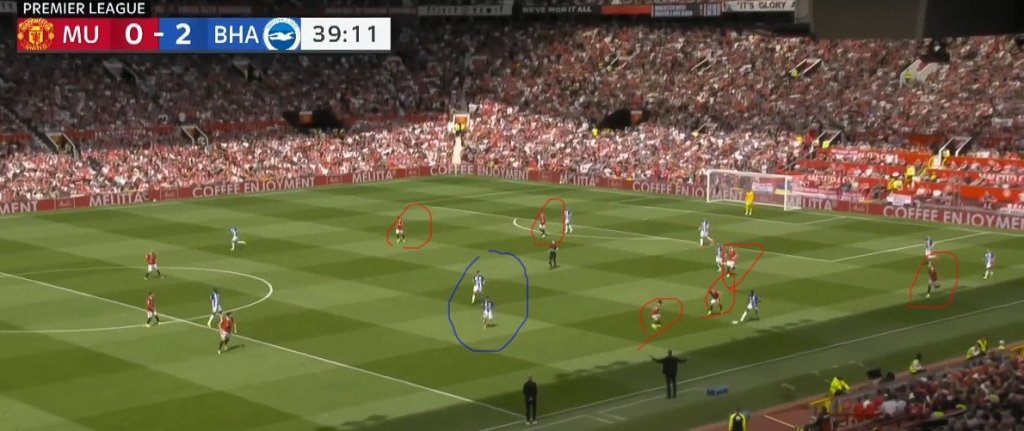
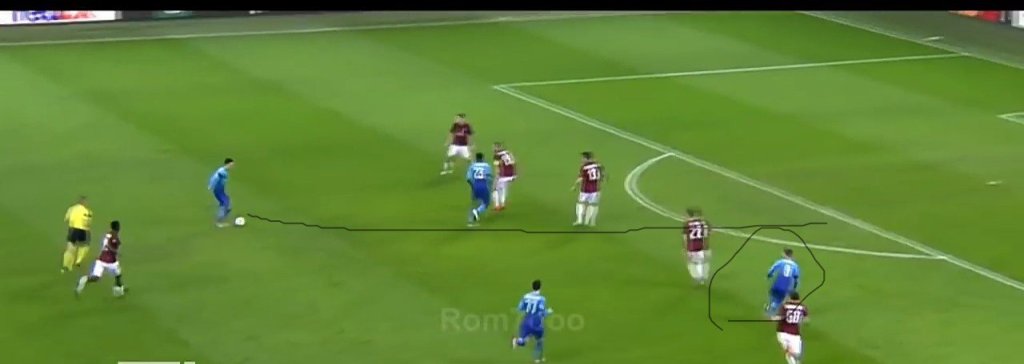
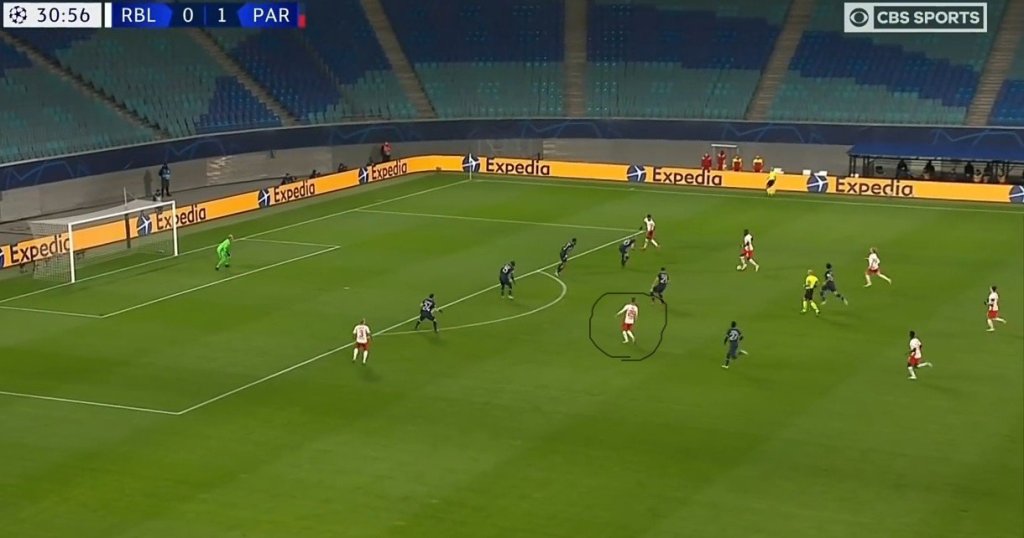
Now, an offside trap is not a nececissity to win matches as you can obtain victories without having a high line but like I said in the previous episode, majority of managers are now implementing a high pressing game therefore the offside trap is mandatory for them.When you decide not to use the offside trap it means that you are not too bothered with having a high line, winning the ball high up the field or looking to catch your opposition offside (the last one seems rhetorical init?). In my attempt to not spoil you with all the answers to your soccermanager problems I still have to make one thing very clear: Never press all over without using an offisde trap or you’ll end up with something like this:
USE PLAYMAKER
Xavi, Pirlo, Kroos, Eriksen, Brozovic, Jorginho, Verratti, Thiago, De Jong, Kimmich. What all these players have in common? They are exceptional when being used as the sole hub of their team’s posession (A.K.A, being used as playmakers). Using a playmaker means that one player has been giving the main job of dictating the tempo of posession, controlling the tempo (which works best with a normal tempo), always being open for a pass, directing play when out of posession, and looking to play a killer high risk pass. Some systems do well with one playmaker while others do well with 4 or 5 but we will talk about how not using a playmaker works shortly. Playmakers are brilliant creatures as they are quite often the most technically gifted and intelligent players on a field. Your playmaker dosen’t always have to be a Central midfielder but using another player that does not play in the middle of the park while getting the best out of his playmaking abilities is not an easy task.

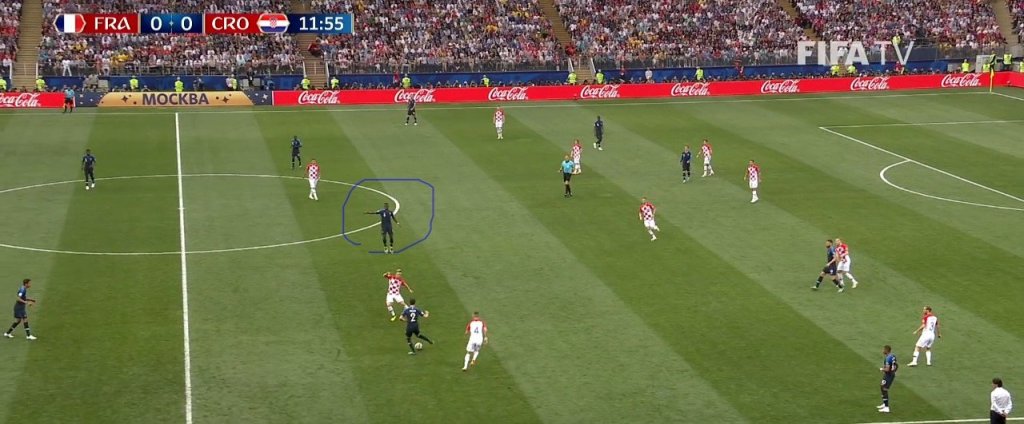
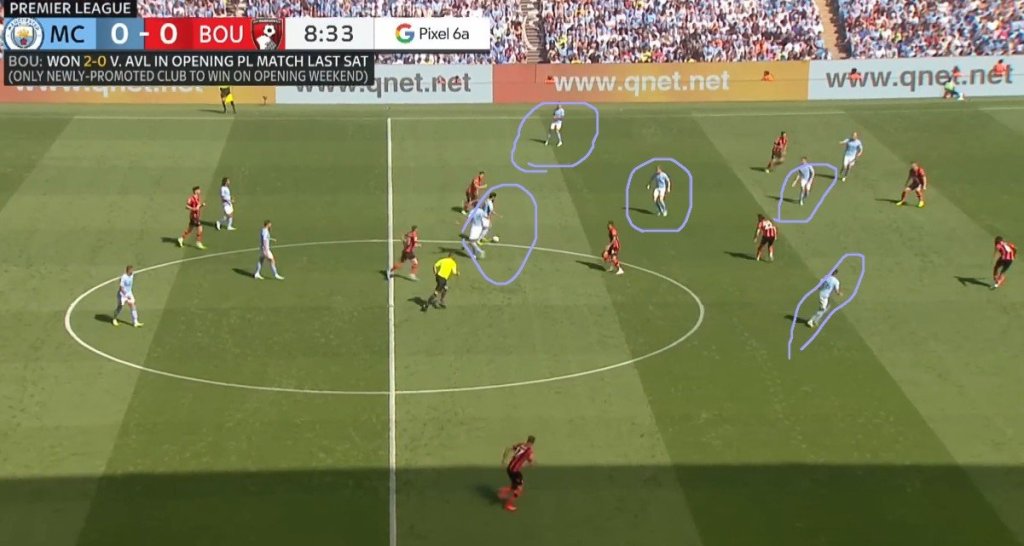
The last sentence above is a perfect segway into how to implement a style of not using a playmaker. Sounds weird right? How does one not use a playmaker within a football match? Well, it’s as simple as packing your X1 with 4 or 5. When you do not tick the U.P.M box it means you’re relying on most of the team to create goal scoring opportunities. The beauty about this is that these players do not have to operate in Central midfield. Players such as K.D.B, Mount, Hazard, Neymar, Messi, Sancho, Silva, Mahrez, Trent are all brilliant creative players but their game will be effected if they were used as a playmaker because their imagination is better suited when they don’t have to be on the ball for majority of the time your team is in posession. This gives them the freedom to find space, make clever runs in order to get the ball in more dangerous positions to do their “playmaking”. The same goes for Central midfielders who are decent on the ball but are not capable of being a team’s main playmaker. Examples of players in this mold are Partey, Koke, Barella, Kampl, Xhaka, Vitinha and so on. These players require other playmakers around them to take up some of the repsoibilty of creating chances for forward players.
USE TARGET MAN
We finish off this section with talking about the men who are given the responsibilty to do the “hardest thing in football.” A target man is a focal point of the attack. He can occupy defenders using many different attributes such as height, strength, speed, movement, aerial ability, hold up play or (if he’s an Erling Haaland) he can do all of these and then some. When you use a target man he will not be focused on helping the team during build up play as he’ll soley want to focus on scoring goals, goals, and more goals. There are 2 types of Strikers when the U.T.M box has been ticked: a target man (ironically enough), and a finisher/poacher. Target men are physically dominant players who are usually tall, good in the air and decent in front of goal. Finishers/poachers are usually shorter, extremely quick, loves playing on the shoulder of Centre backs and making runs in behind the defence, and are normally very good finishers (another irony lol). These two types of players aren’t great on the ball so they must be used in order to get the best performance out of them.
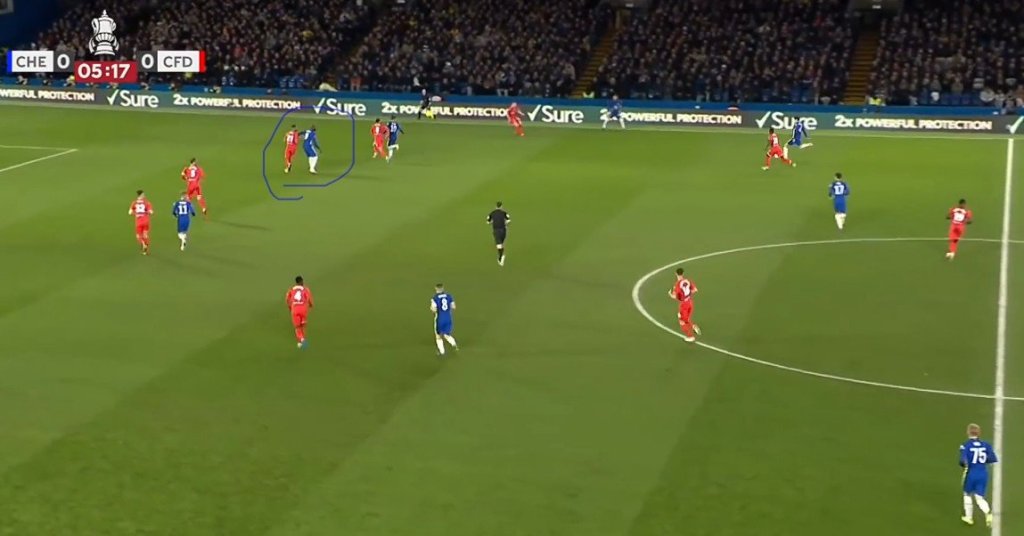
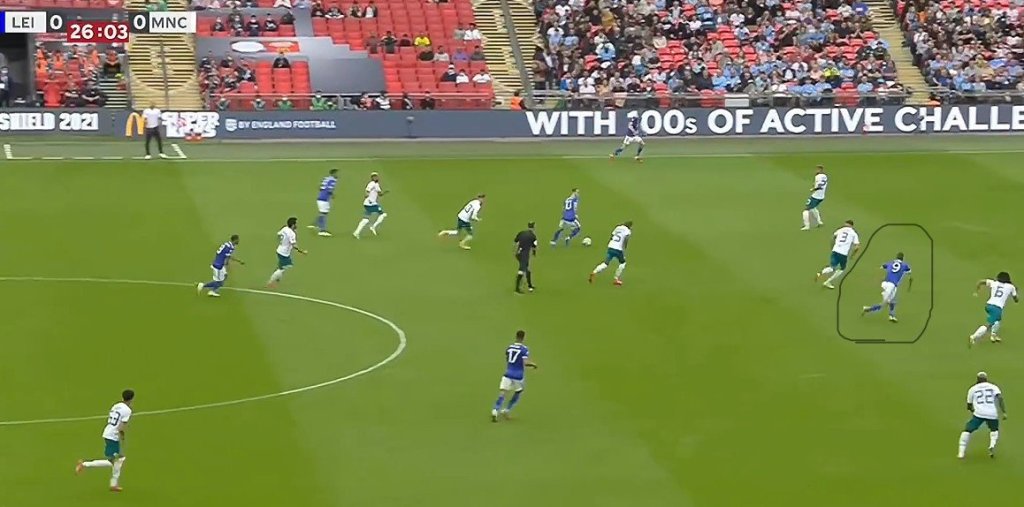
And then we have the players who love having the ball at their feet as well as having freedom to go wherever on the pitch. There are a few types of strikers in play when you decide not to tick the U.T.M box. These strikers are: false 9’s/deep lying forward, general/ complete forward, and dummy/shadow/second striker. False 9’s or deep lying forwards are essentially Attacking midfielders playing as Strikers. They are extremely comfortable on the ball, good dribllers and are often very creative. General or complete forwards are Strikers who posess an all round game. Put simply, they can do everything. Drop deep, run in behind, hold up the ball, play on the wings. Consider them a Jack of all trades. This kind of striker is rare to find as the game has gotten more and more tactical and positionally biased over the years. A great example of a complete forward is Danny Welbeck. A shadow/dummy/ second striker is a type of striker that does not need the ball at his feet as his main source of danger comes via being an off the ball specialst. Their movement causes defenders a lot of trouble as they always find positions where they cannot be picked up. At one point in his career, the best shadow striker in world football was Thomas Muller. Muller (also known as the Ramdauter) was brilllaint at finding space in an around the area to wreak havoc against opposition defenders. He still has excellent movement to this day but as he’s now 32 his game has changed to being more of a creative player. All 3 types of forwards should never be used as a target man because the attributes they bring to a team will not be utilized.
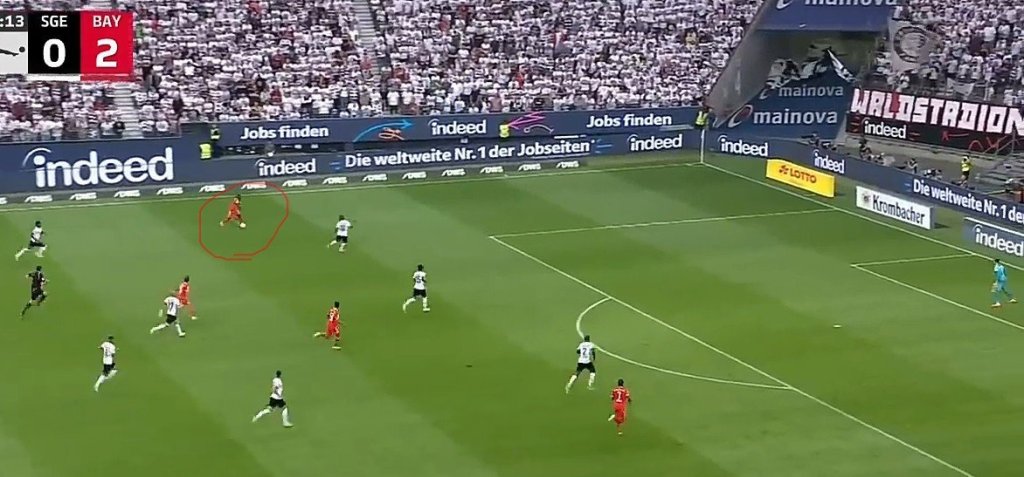
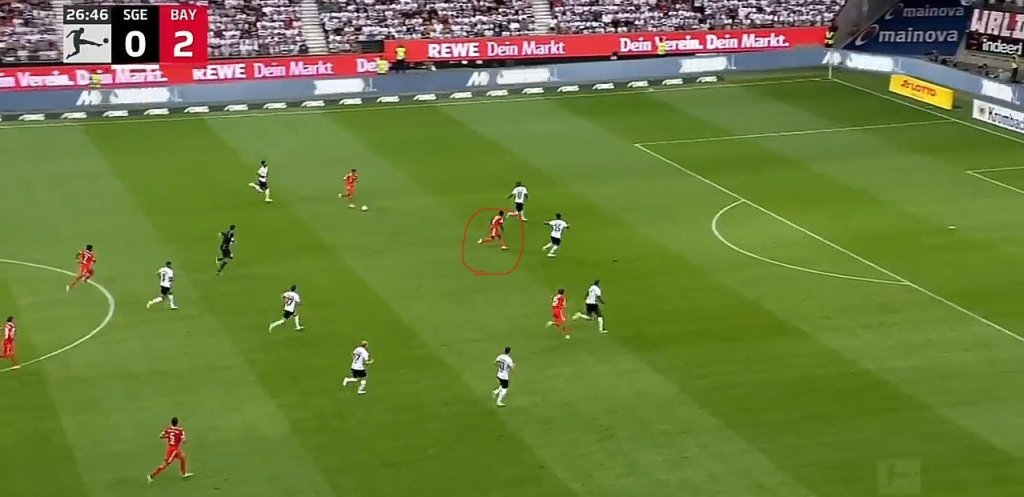
PLAYER INSTRUCTIONS
I’m currently here contemplating whether I should even go over this section as it is extremely simple to understand but it’s in the title of the post for god’s sake so guess there’s no other choice ( do you feel the struggle my fellow soccermanagerite?). The team instructions section is where you give roles and responsibilities to individual players within your X1. These instructions are as follows: Captain, Freekick taker, Playmaker, Penalty taker, Corner taker and Target Man. The way in which you choose to implement these instructions is completely up to you. In fact, everything that you do within soccermanger is completely up to you so Idk why I made the above statement…… Okay….. Amma shut up now.
And thats the end of the blog folks! Normally I would let y’all in on what’s coming up in the next one but let’s keep it a top secret until you get your next update on when it has been posted. It’s gonna be a great one as always so make sure that you check it out. As you can see I’m brining more photos into each blog posts in an attempt to give you a visual stimuli. Hope you’ve been enjoying it sooo far. Until next time peeps! ✌
 The Soccermanager Experience